
Why Can't I Just "Do It?" Understanding the Real Barriers to Change
Why Can't I Just "Do It?" Understanding the Real Barriers to Change
As dietitians, we hear it all the time.
"I know what to do, I just can't do it."
It's usually followed by guilt, frustration and self-blame.
The fact is, if changing your eating habits was simply about knowing what to do, we probably wouldn't have jobs.
You might know exactly what a balanced meal looks like. You might be able to explain the science behind protein, carbohydrates and healthy fats. You might even spend hours reading about nutrition online. Yet somehow, eating breakfast consistently or remembering your afternoon snack still feels impossible.
That's because nutrition may be a science, but eating is a behaviour. And behaviours are influenced by far more than knowledge alone.

what actually gets in the way?
Behaviour change is complex. Every person has different barriers, but some of the most common include:
Busy schedules and competing priorities
Forgetting to eat
Lack of planning or food available
Fear of certain foods
Low motivation
Perfectionism ("If I can't do it perfectly, why bother?")
Stress, anxiety or low mood
Previous dieting experiences
Limited support from those around you
For people recovering from an eating disorder or disordered eating, these barriers can be even stronger. Your brain may know that eating regularly is important, but your eating disorder is actively telling you not to.
Stop asking, "What's wrong with me?"
Instead, try asking:
"What's getting in my way?"
This small shift can create a big change.
Rather than seeing yourself as the problem, you start looking for the obstacle. And once you know the obstacle, you can create a strategy to work around it.
A simple framework for overcoming barriers
At The Wholebeing Co., we often encourage people to make change Simple, Obvious and Enjoyable.
1. Make it simple
One of the biggest mistakes people make is trying to change everything at once.
Instead of setting five nutrition goals, choose one.
A helpful way to do this is by using a SMART goal:
Specific – What exactly are you going to do?
Measurable – How will you know you've done it?
Achievable – Is it realistic for your current life?
Relevant – Does it align with why this matters to you?
Time-bound – When will you start or review it?
For example:
❌ "Eat healthier."
Instead:
✅ "I'll have breakfast before work on Monday, Wednesday and Friday this week."
2. Make it obvious
The easier your behaviour is to remember, the more likely you are to do it. Instead of relying on motivation, rely on your environment.
Some ideas include:
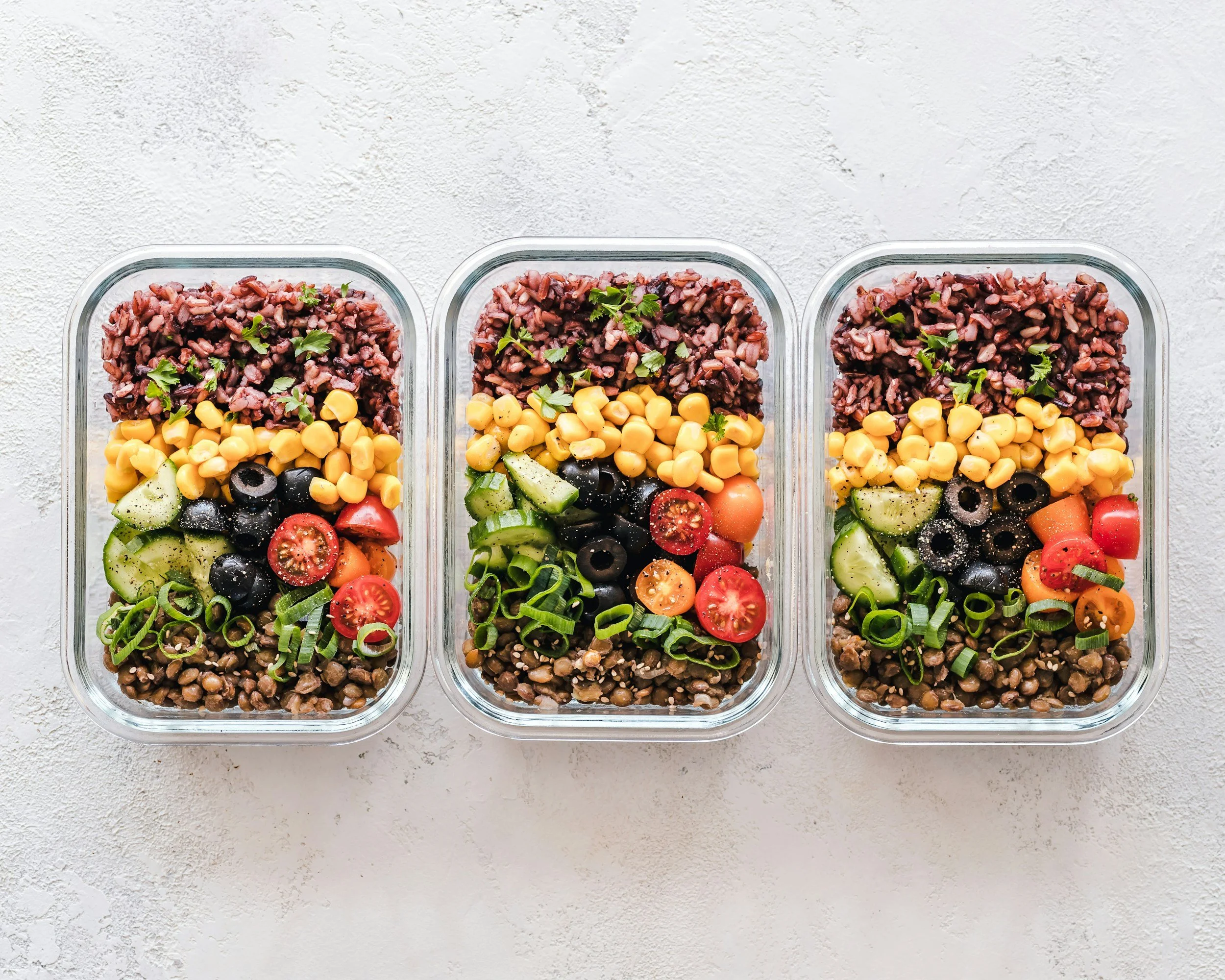
Plan & prepare your meals ahead of time.
Keep snacks where you can see them.
Add reminders or alarms to your phone.
Attach your new habit to an existing routine.
Ask family, friends or your treatment team to help keep you accountable.
Think about it this way: if your lunch is packed and sitting in the fridge ready to grab, you've already removed one barrier.
3. Make it enjoyable
The more enjoyable something is, the more likely you are to keep doing it.
That might mean:
Choosing foods you genuinely like.
Cooking meals that remind you of positive memories.
Eating with friends or family.
Plating your food in a way that feels appealing.
Creating a calm environment for meals.
Celebrating your wins, no matter how small.
If every meal feels like a chore, it's much harder for your brain to build a sustainable habit.

Progress isn't about trying harder
Many people think they need more discipline. Most of the time, they don't. They need fewer barriers.
If you're finding nutrition difficult, it doesn't mean you're lazy, unmotivated or failing. It usually means something in your environment, routine, emotions or circumstances is making the behaviour harder than it needs to be.
The goal isn't to get more willpower.
The goal is to create a life where the better choice becomes the easier choice.
If you’re struggling to make change that supports your wholebeing, please reach out today. We’re here to make eating easier for you in every way.