
Why Labelling Food as ‘Good’ or ‘Bad’ Fuels Disordered Eating
Why Labelling Food as ‘Good’ or ‘Bad’ Fuels Disordered Eating
“I can’t eat that, I’m being good.”
“That pastry is so naughty.”
“I need a dirty cheat meal.”
This type of language is everywhere - in our social circles, in the shows we watch, and often ingrained in our own thoughts. And it’s a huge part of disordered eating.
While it might seem harmless, labelling food as “good” or “bad” moralises eating. Over time, this shapes how we relate to food and sends powerful messages to the people around us.
What is food morality?
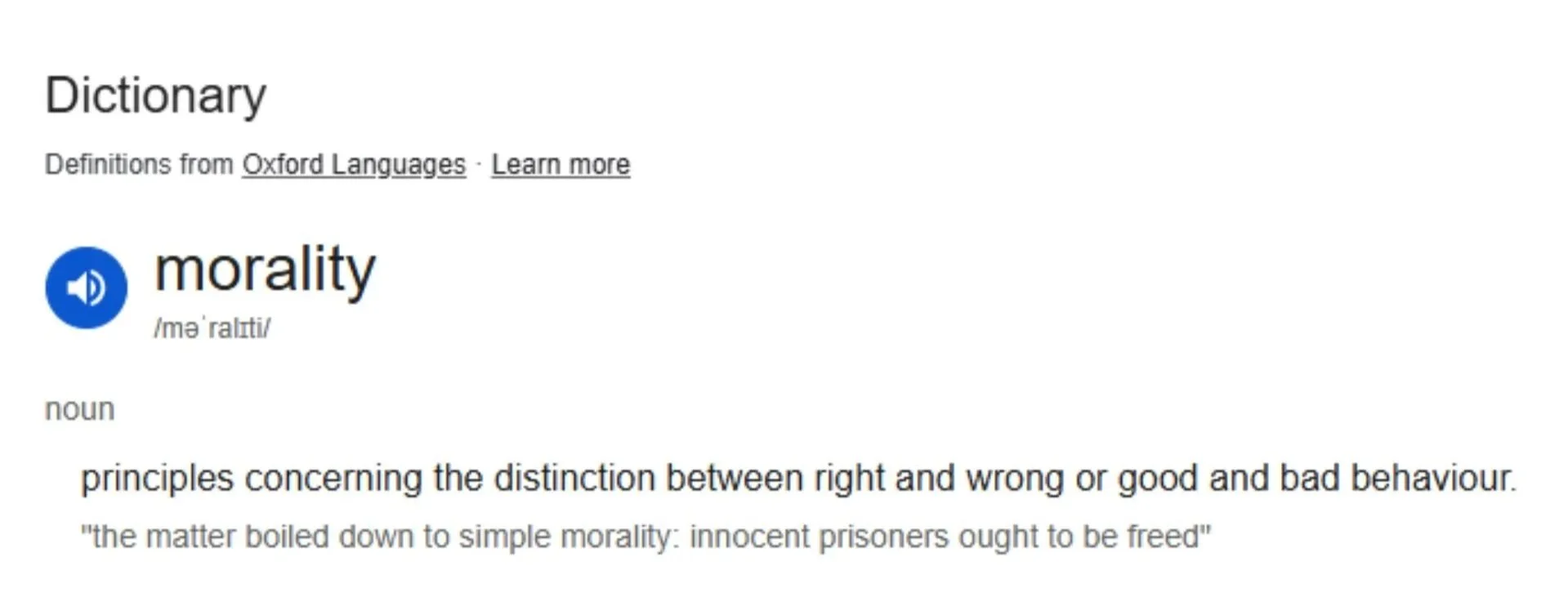
Morality (noun): principles concerning the distinction between right and wrong or good and bad behaviour.
Therefore food morality is the distinction between good & bad . It indicates that choosing a particular food is bad behaviour or the wrong thing to do, and choosing another food is the right thing to do. Food morality instils shame and guilt onto the person that thinks, speaks, or gets spoken to in this way.
It creates shame around eating
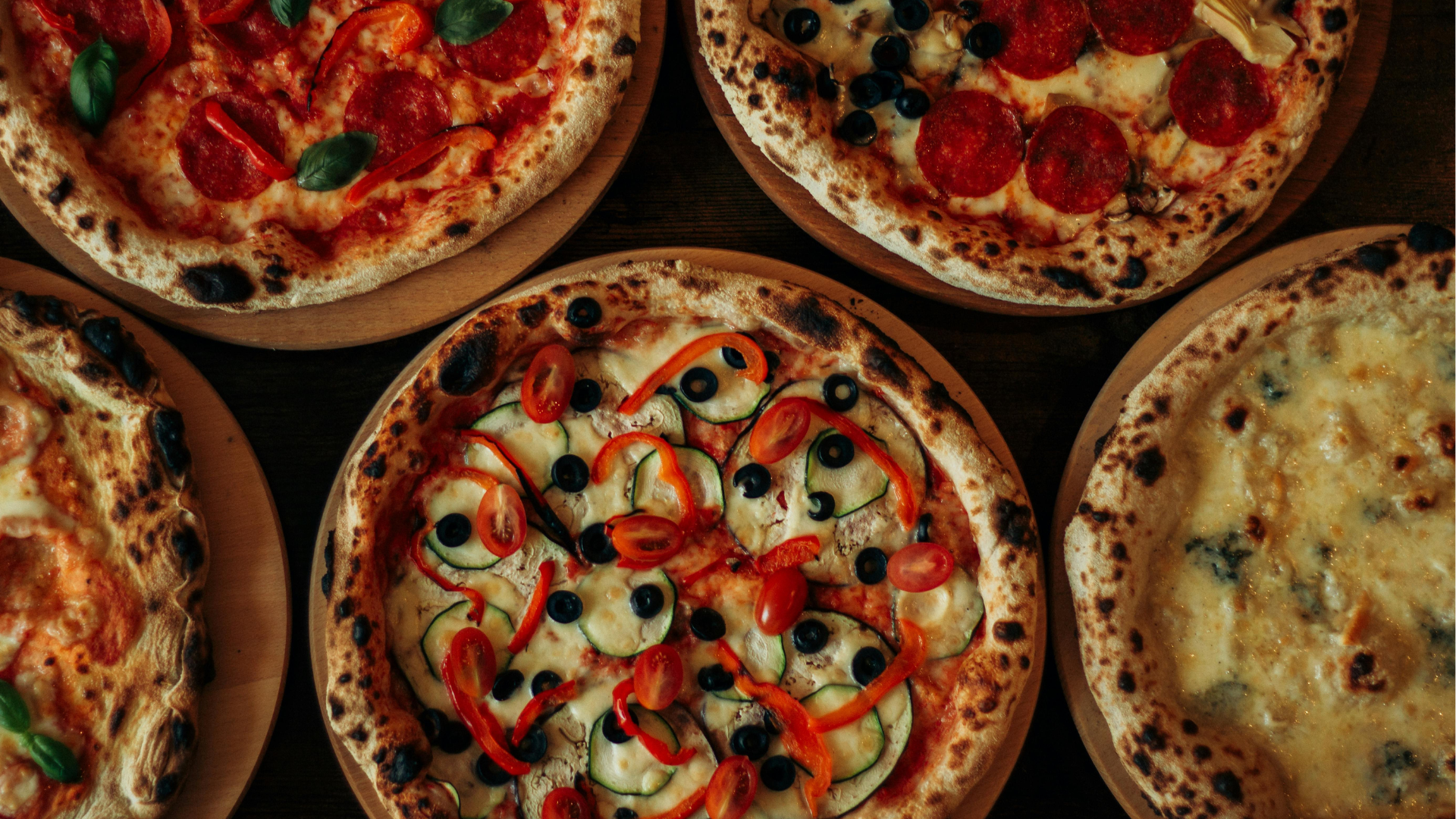
When food is labelled as “bad”, eating it can feel like doing something wrong - similar to lying or stealing. But eating pizza for dinner isn’t a moral failure. Still, if the food is framed as “bad”, it can trigger guilt and shame, even when no harm has been done.
It creates a food hierarchy
When foods are labelled as “good” or “bad,” they often fall into a hierarchy with so-called “healthy” foods placed on a pedestal and “unhealthy” foods pushed to the bottom. This hierarchy can quietly dictate what we feel allowed to eat, when we feel deserving of certain foods, and how we judge ourselves after eating them.
Over time, foods at the “bottom” of the hierarchy can feel more tempting, more ‘addictive,’ and harder to eat calmly, while foods at the “top” may feel obligatory rather than enjoyable. Rather than helping us eat well, food hierarchies often create guilt, restriction, and make it harder to listen to our body - patterns that sit at the heart of disordered eating.
It leads to mental restriction
Foods labelled as “naughty”, “junk”, or “cheat” foods are often foods we try to avoid, known as the forbidden fruit effect. Even when there are no physical rules in place, mental restriction can increase the likelihood of feeling out of control around these foods when we do encounter them. A common cycle seen in disordered eating.
It sends harmful messages to others
Without intending to, our language about food affects the people around us. If a friend offers you a chip and you respond, “No, I’m being good,” what message does that send? Are they being “bad”?
Children are especially vulnerable to this messaging. They are constantly observing and learning from us. Do we want them to associate their worth or behaviour with what they eat? Most of us don’t, yet food morality teaches exactly that.

So what’s the alternative?
We can talk about food neutrally and descriptively. Instead of “good” or “bad”, describe food by its taste, texture, or experience:
Crunchy
Fresh
Soft
Sweet
Warm
Filling
Comforting
There are countless ways to talk about food without attaching morality. When we remove judgement from eating, we create space for a more flexible, respectful, and sustainable relationship with food.
Don’t be hard on yourself
If you notice yourself speaking like this, it’s okay. The fact you’ve noticed it is an important first step. We can’t work on something we’re not aware of. Try speaking to yourself with kindness and curiosity. You might ask: Where did these food beliefs come from?
Food morality doesn’t appear out of nowhere, it’s learned. At first, you may notice this language often. Over time, with practice and gentle challenge, your relationship with food (and the way you talk about it) can shift.
At The Wholebeing Co., our non-diet dietitians offer compassionate, trauma-informed support that can help you to build a sustainable relationship with food. Whether you're in eating disorder recovery, managing chronic illness, or simply tired of food rules-we’re here to help you.
You don’t have to figure it out alone. Book a 1:1 session with a TWC dietitian today.