
You Don’t Need to Earn Your Food: Understanding Compensatory Eating and Exercise
You Don’t Need to Earn Your Food: Understanding Compensatory Eating and Exercise
Have you ever gone for a run in the morning because you know you’re having a big family lunch?
Stayed a little longer at the gym because you had dessert the night before?
Added an extra few thousand steps because you’re going out for dinner with the girls?
Or simply thought, “I’ll be good today because I know I’m eating out tonight”?
These might seem like pretty harmless thoughts or behaviours. Honestly, they’re so common that they can be easy to brush off as just being “healthy” or “balanced”. But these are examples of compensatory behaviours - using restriction or exercise to try to make up for something you’ve eaten or are planning to eat.
Experiencing these behaviours doesn’t mean you have an eating disorder, but they are disordered eating behaviours.
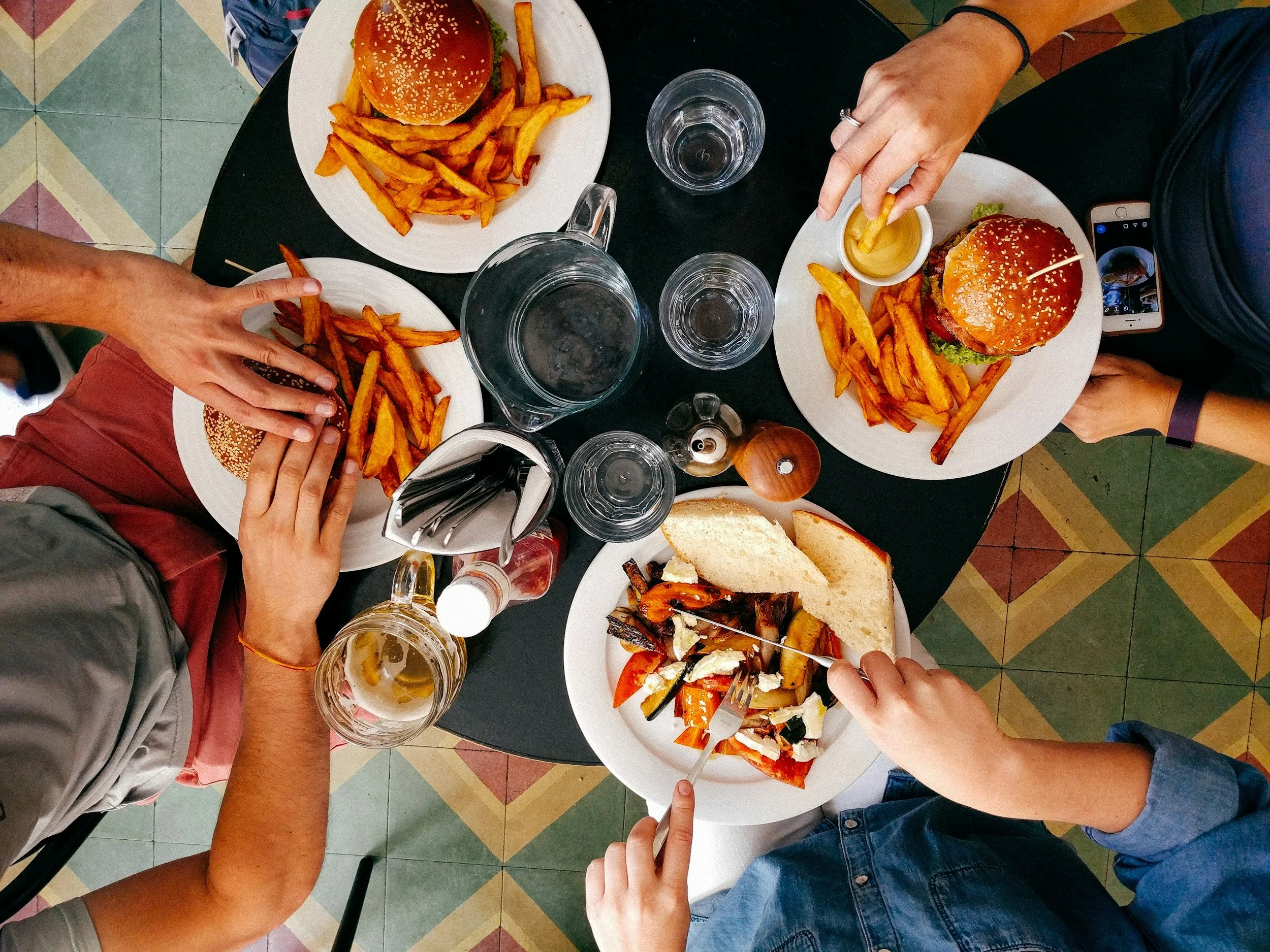
What exactly is a compensatory behaviour?
Compensatory behaviours are things we do in an attempt to compensate for eating what we deem to be ‘too much.’
This might look like:
Exercising because you ate a particular food (usually something that feels scary)
Adding extra steps after a meal or snack
Skipping or reducing your next meal because you ate more than planned
Restricting food during the day because you’re going out for dinner
“Saving calories” for a social event
Exercising more after eating dessert
Telling yourself you need to be “good” tomorrow after eating something you consider indulgent
The common thread is the idea that food needs to be paid back.
But isn’t this just being healthy?
Diet culture can make this situation quite confusing. We’re constantly exposed to messages about balancing out what we eat.
“Earn your Easter Eggs.”
“This is how many minutes you need to run to burn off this particular food.”
“Work hard so you can enjoy the weekend.”
We’re taught that exercise can be used to compensate for eating, and that certain foods need to be counteracted by movement. These messages come from everywhere - social media, gyms, diet programs, friends, family and sometimes even well-meaning health advice. So if you find yourself doing this, it honestly makes sense. You’ve probably learnt a behaviour that is incredibly normalised in our culture.
But common doesn’t necessarily mean healthy.
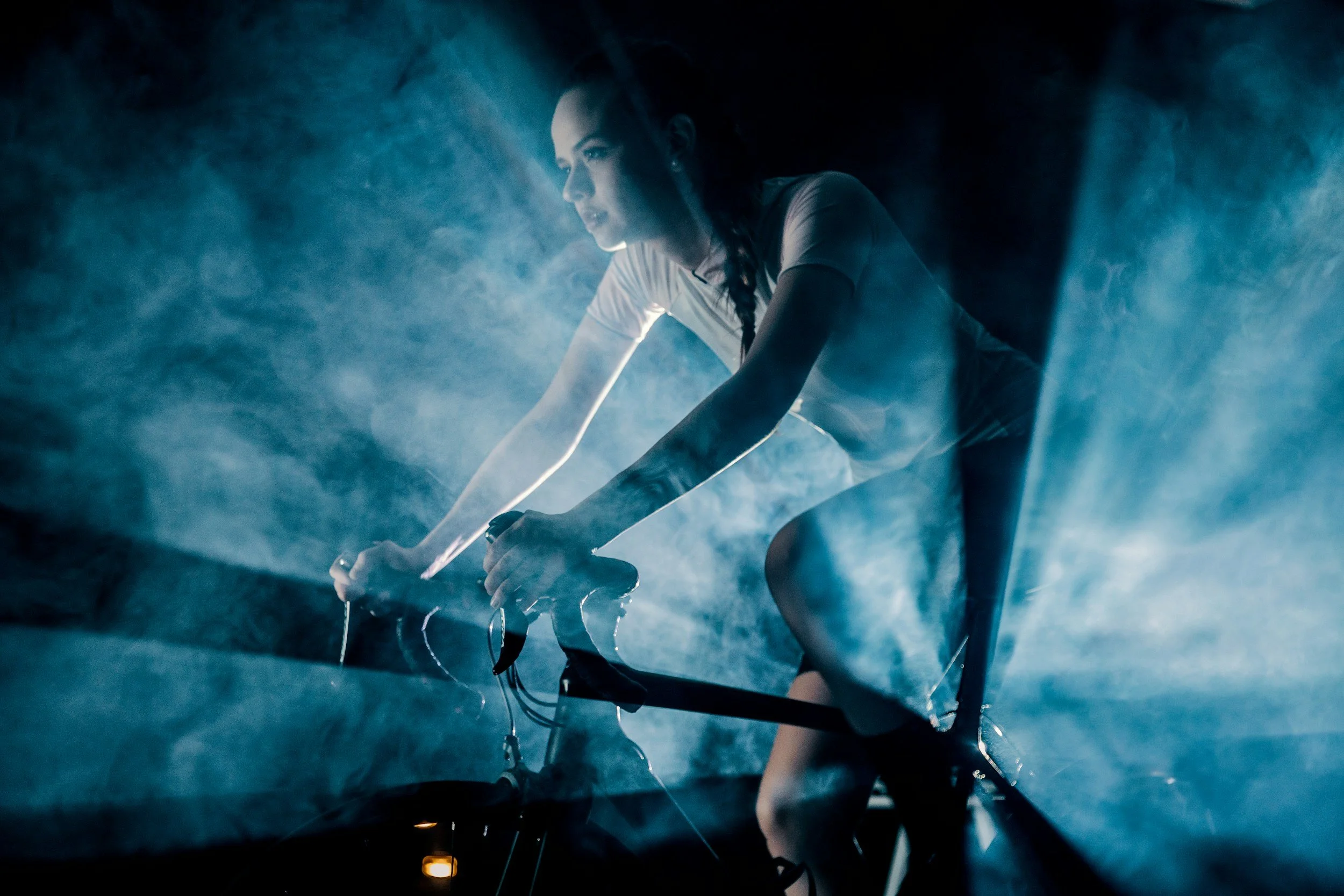
Exercise isn't punishment
One of the biggest problems with compensatory exercise is that it can slowly change the way we think about movement. Instead of exercise being something we do because we enjoy it, because it makes us feel good, because we love our sport or because we want to get stronger, it becomes something we have to do to undo eating or even punish ourselves for eating certain foods.
Over time, this can create a cycle where food creates guilt, guilt creates a need to compensate, and compensation reinforces the idea that you shouldn't have eaten that food in the first place. That’s a pretty exhausting way to relate to food and movement.
It can be particularly tricky for people who already love exercise. When movement is a big part of your life, it can be difficult to notice when you're exercising because you want to versus because you feel like you should.
You don't need to earn your food
Food isn't something you need to earn. You don't need to exercise before breakfast to justify your social lunch. You don't need to run extra kilometres because you had dessert. And you certainly don't need to be “good” during the week so you can enjoy your weekend.
Your body deserves food because it is your body.
Food provides energy, supports your organs, helps you recover, fuels your brain and allows you to participate in the things you enjoy. You don't have to complete a certain amount of exercise first to deserve it. In fact, the relationship can be flipped.
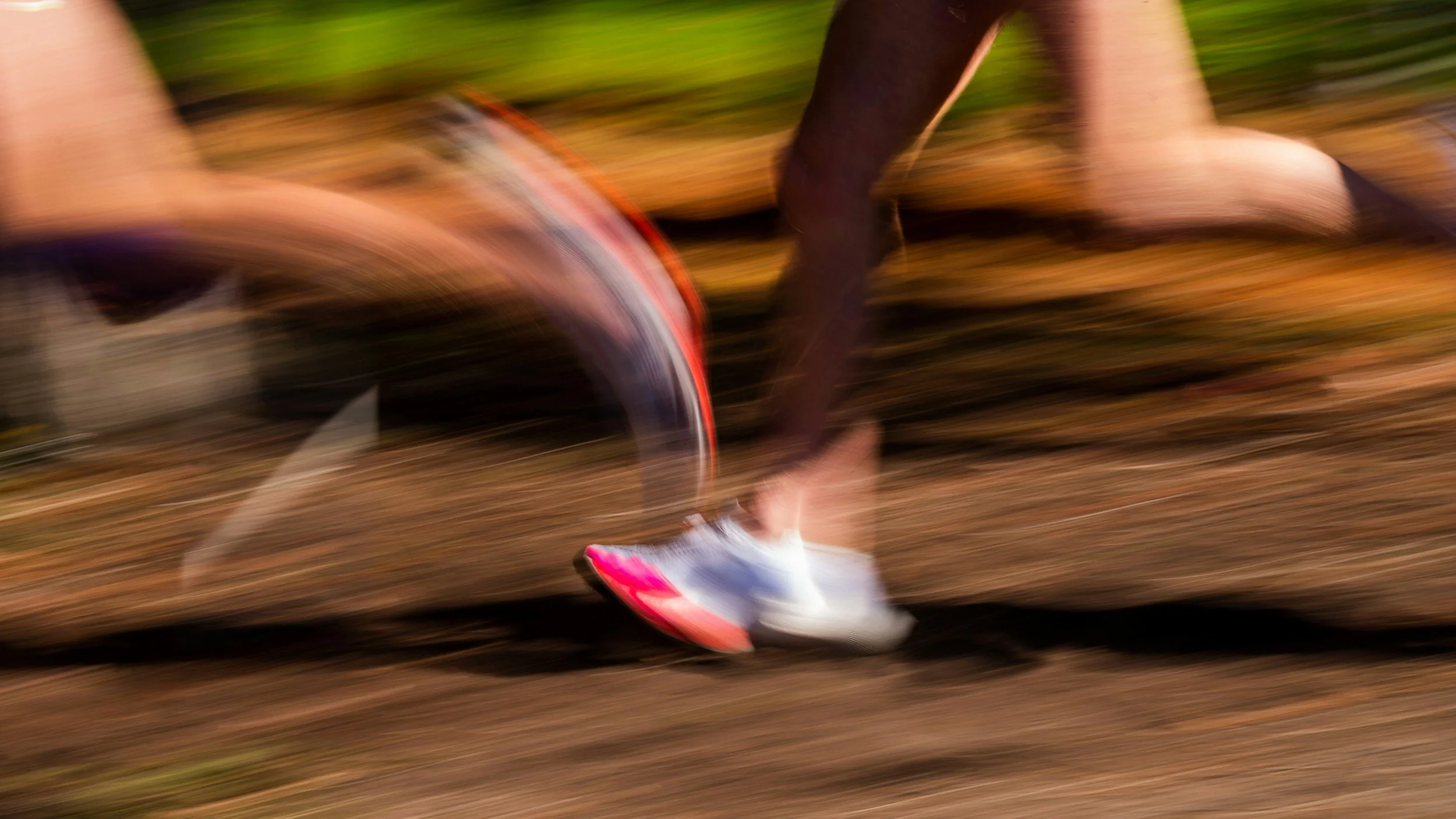
Eat and fuel to support your exercise
Rather than thinking about exercise as something you need to do to earn food, think about food as something that supports your ability to move and exercise.
Eat before your run because your body needs fuel to run. Eat after training because your body needs energy and nutrients to recover. Eat regularly throughout the day so you can train, work, think, socialise and live your life.
Food isn't the reward for exercise.
Food is fuel for the life and movement you want to do.
Learn more about when to fuel your workout and how to fuel your workout.
What if you recognise yourself in this?
If you regularly find yourself compensating for food, you don't need to panic or label yourself as having an eating disorder. But it is worth paying attention to.
Ask yourself:
“Would I still do this exercise if I hadn't eaten that food?”
“Would I still want to go for this run if I knew I was having dinner out tonight?”
“Am I exercising because I want to, or because I feel like I have to?”
Sometimes the answer will be both. And that's okay. The goal isn't to never exercise after eating or to make sure every single decision you make around food is completely free from diet culture.
It's about building a relationship with food and movement where you don't feel like you have to pay for one with the other. You don't need to earn your food. You don't need to burn it off. You don't need to compensate for it.
If you would like some specific advice and support in this area, reach out today. We’re a team of specialised dietitians that are passionate about your relationship with food, exercise, and your body.
Eat. Fuel. Move. Enjoy.