
What to Eat Before a Workout: Pre-Exercise Nutrition Guide
What to Eat Before a Workout: Pre-Exercise Nutrition Guide
What should I eat before exercise?
In our last blog post, we explored whether you need to eat (or “fuel”) before exercise. Following on from that, let’s talk about what to eat so you can feel your best during training.
Choosing the wrong food before exercise can sometimes leave you feeling nauseous, burpy, heavy, or with gut discomfort. We appreciate that this can increase anxiety around eating before exercise. If eating before exercise feels uncomfortable or challenging, you’re not alone, this is something we see often. But it’s also important to remember that your body can learn to tolerate food before movement, this just takes practice and support in choosing the best options for you.
We call this “training the gut.”
Just like you train your muscles and cardiovascular system, your digestive system can adapt too. The more consistently you practise fuelling before exercise, the more comfortable it becomes.
Carbohydrates are the most helpful fuel before exercise. They’re your body’s quickest and most accessible energy source, especially for higher-intensity or longer sessions.
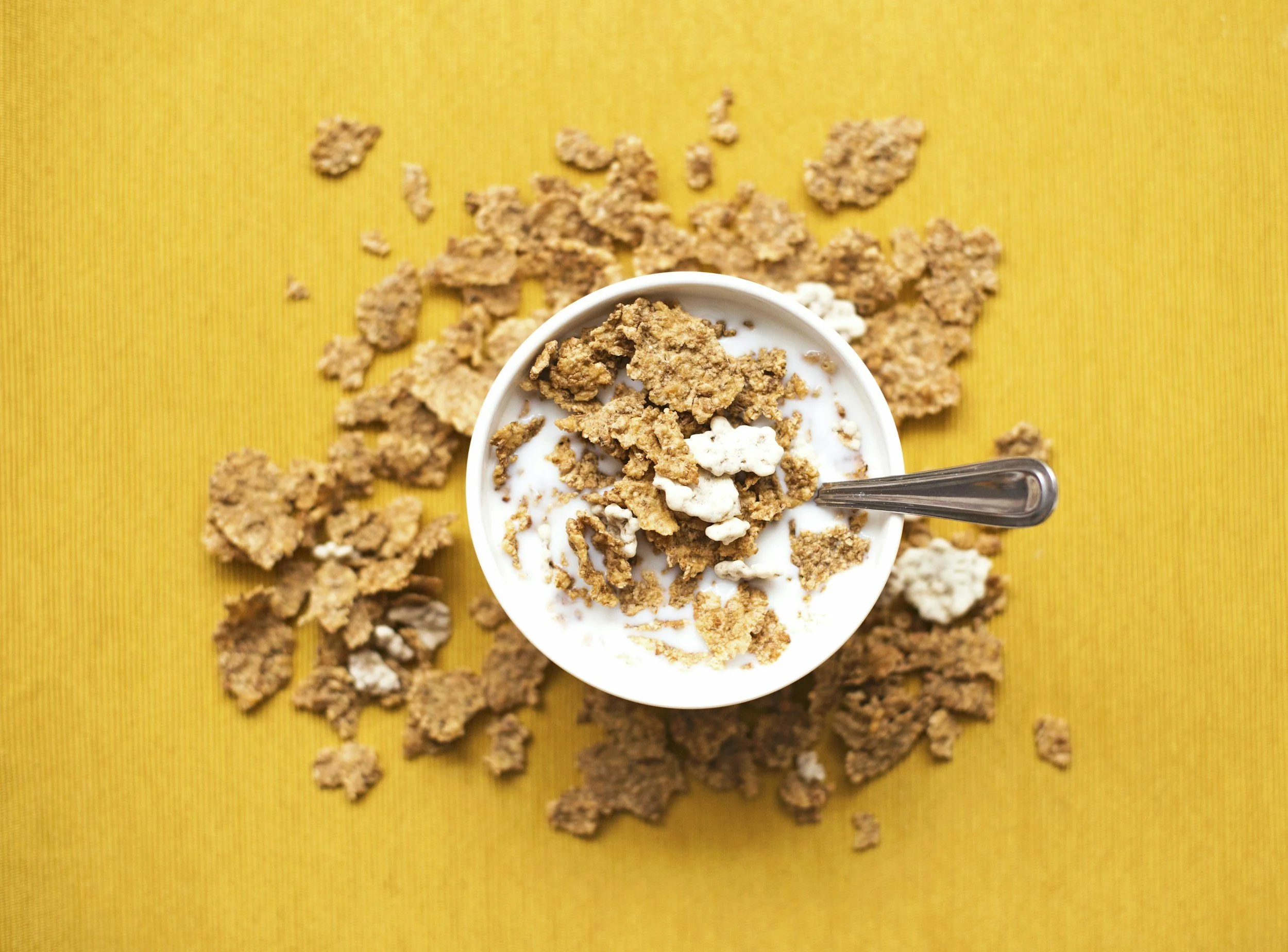
It’s also worth considering the type of carbs. Higher-fibre options (like grainy breads, bran cereals, large amounts of oats or fruit) digest more slowly and, for some people, may feel uncomfortable right before exercise. Lower-fibre, easier-to-digest options can feel better in the lead-up to a session.
With all of this in mind, what’s the best choice, and how much?
If you’re used to training fasted or feel anxious about eating before exercise, it can help to start small and build gradually. Even a small amount of fuel is a meaningful step. It all counts.
Fasted exercise isn’t the better option in most cases. It can contribute to under-fuelling, increased injury risk, hormonal disruption, and low energy availability (often referred to as REDs). While it might feel like avoiding food helps manage gut symptoms, training without fuel can actually make these symptoms worse over time.

Small steps towards fuelling might look like:
A glass of juice
A few lolly snakes
Half a banana
A medjool date
From there, you can slowly increase your intake as your comfort and confidence grow.
Some easy pre-exercise options we often recommend include:
1–2 crumpets or white/fruit toast with honey or jam
A bagel with banana & honey, or peanut butter & jam
A hot cross bun
An oat bar and banana
A bowl of easy-to-digest cereal like Nutri-Grain, Milo cereal, or Crunchy Nut Cornflakes
A few Weet-Bix with banana and sugar or honey
A sports drink with some pretzels
When should you eat?
Anywhere between 20 minutes and 2 hours before exercise can work. This depends on your individual tolerance, the type of session, and what fits into your routine. Higher-intensity sessions may feel more comfortable with a bit more time between eating and starting.
Most importantly, there’s no one “perfect” way to fuel. Your needs may change day to day and learning to listen to your body, rather than following rigid rules, is key.
Everyone is very different when it comes to what and when to eat before exercise, so working with a dietitian can really help here. Reach out to TWC for more individualised support.