
How to Support Your Loved One with an Eating Disorder
How can I support someone with an eating disorder?
Supporting someone with an eating disorder can feel confusing and overwhelming. You might find yourself wondering what to say, what to do, or if you’re getting it wrong.
If this is you, you’re not alone. It’s an incredibly tricky place.
Eating disorders are complex mental health conditions, not a choice. While you can’t “fix” it for them, your support can play a really important role in their recovery.

Why is eating so difficult?
It’s understandable to think eating should be simple. But for someone with an eating disorder, food is often linked with intense fear, anxiety, and distress.
Even when they logically know they need to eat, it can still feel incredibly hard to follow through.
Just like someone with a fear of flying might feel anxious getting on a plane, even if they’re told all the safety facts, eating can feel just as overwhelming for someone with an eating disorder.

So, how can you support them?
There’s no perfect way to do this, but small, consistent actions can make a big difference over time.
Focus on connection, not control,
It can be tempting to focus on food or try to “fix” things, but this often increases pressure.
Instead, try to:
Lead with curiosity and listen without jumping into solutions
Talk about how they’re feeling, rather than what they’re eating
Remind them of who they are outside of the eating disorder

Supporting at mealtimes
Mealtimes can be one of the hardest parts of recovery.
If you can, try to:
Eat together where possible
Keep conversation neutral (e.g. day-to-day life, plans, TV)
Stay calm and avoid pressure or debates
Your presence can help reduce some of the stress around eating.
Making food feel a bit easier
Practical support can go a long way, especially when decision-making feels overwhelming.
This might look like:
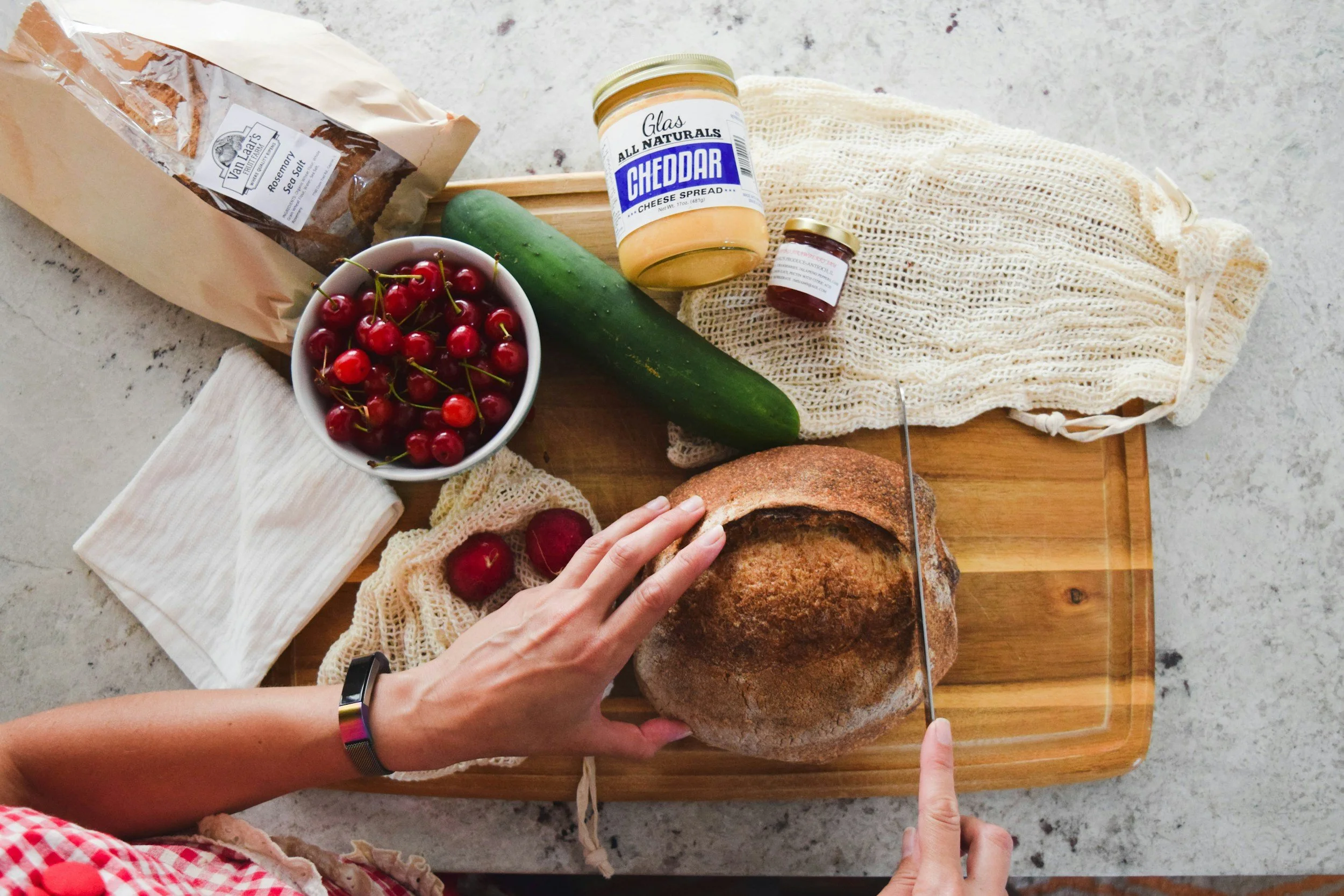
Helping with groceries or meal prep
Encouraging regular eating or offering regular food (can I make you a snack?)
Including familiar or “safe” foods, while slowly building variety
Even small steps here are meaningful.
What to say (and what to avoid)
Many people worry about saying the wrong thing. You don’t need to get it perfect.
Some helpful phrases:
“I’m here with you.”
“I can see this is really hard.”
“I’m proud of you for trying.”
Things to try and avoid:
Comments about weight, body, or appearance even if you think they’re positive
“Just eat” or trying to reason away their fears
Policing food

Encouraging extra support
You don’t have to do this alone, and neither do they.
Support from a GP, dietitian, or psychologist is an important part of recovery. Gently encouraging this (and helping them access it) can make a big difference.
Looking after yourself too
Supporting someone through an eating disorder can be emotionally demanding.
You might feel frustrated, scared, or unsure what to do at times. These feelings are completely valid.
Making sure you have your own support is just as important. The Butterfly Foundation offers a support group for carers.
Final thoughts
There’s no perfect way to support someone with an eating disorder.
What matters most is showing up with patience, consistency, and care.
Recovery takes time, but it is possible, and your support can make a real difference along the way.