
5 Signs Your “Healthy Eating” Has Become Too Rigid
5 Signs Your “Healthy Eating” Has Become Too Rigid
Eating well and caring about your health can be a really positive thing.
But sometimes, what starts as an intention to “eat healthier” can slowly become more rigid. You might start cutting out more foods, following more rules, or feeling anxious/guilty when things don't go to plan.
These behaviours can still look “healthy” from the outside, so it can be difficult to recognise when your healthy eating has gone too far.
In no way am I saying that caring about nutrition is bad. It's about looking at how flexible your eating is, and how much mental space it takes up.
So, here are 5 signs that your healthy eating might have become a little too rigid.
1. You feel anxious when you can't eat the way you normally do
You usually eat a particular breakfast, buy certain foods, cook most of your meals at home and have a routine that feels comfortable.
But then you go away.
You have dinner at a friend's house. You go out for lunch. You don't have access to your usual foods.
Suddenly, you feel really anxious.
You might spend a lot of time worrying about what you'll eat, looking at menus beforehand, packing your own food, or feeling like the day has been “ruined” because you couldn't stick to your usual routine.
Having preferences around food is completely normal. We don’t all like the same things. But being unable to adapt when things inevitably change can mean that your eating has become too rigid.
If your healthy eating makes you anxious, then it’s not healthy.
2. You have lots of food rules
Maybe you've got rules about what, when and how much you're allowed to eat. Maybe some of these rules even sound healthy.
The problem isn't necessarily the rule. It's what happens when you break the rule.
If eating something outside of your usual plan causes guilt, anxiety or the feeling that you've “failed”, it's worth looking at whether the rule is actually helping you. In my experience, they’re not usually a help.
3. You feel guilty when you eat something you consider “unhealthy”
“I shouldn't have eaten that.”
“That wasn’t worth it.”
“Now I've ruined it.”
“I'll need to be better tomorrow.”
This is a HUGE sign that your food choices have become morally loaded. Food isn't good or bad. Eating something that's less nutrient-dense doesn't cancel out the other foods you've eaten.
Your health is influenced by your overall eating pattern, not one meal, one snack or one food. Food also brings connection, nostalgia, memories, and celebration. And those pieces are so good for us.
4. You find yourself avoiding foods you actually enjoy
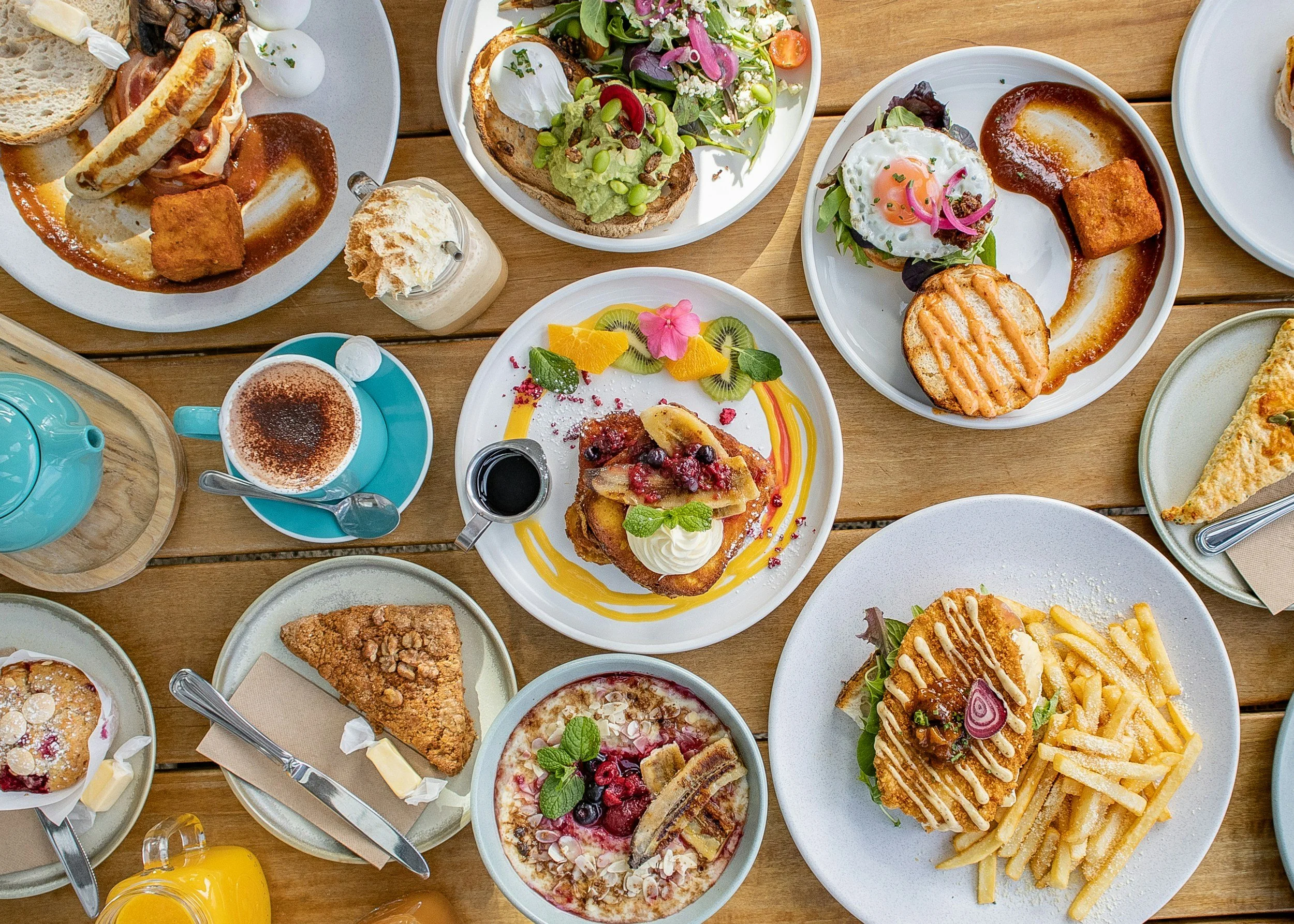
Over time, your diet can become filled with foods you think you should eat rather than foods you actually enjoy eating. This is where “healthy eating” can start to negatively impact your relationship with food.
Food is supposed to provide nutrition, but it's also supposed to provide pleasure, satisfaction, connection and enjoyment.
Those things count too.
5. You feel like you've failed when you don't eat “perfectly”
You have a plan for how you're going to eat. And when you follow it, you feel good about yourself. But when something changes, you feel like you've blown it. Maybe you planned to cook dinner but end up getting takeaway. Maybe you have more dessert than you intended. Maybe you don't get your usual vegetables in. Maybe you have a weekend away and eat completely differently to how you normally would.
Instead of thinking, “That's okay, it’s not the end of the world and there are super valid reasons as to why this happened,” you think:
“I've ruined everything.”
This all-or-nothing thinking can be a sign that your healthy eating has become less about nourishing yourself and more about controlling your food.
So what can you do if your eating feels too rigid?
The goal isn't to go from rigid eating to not caring about nutrition at all.
The goal is flexibility. Start challenging one rule. You don't need to break every food rule at once. Pick one that feels manageable.
If you always avoid carbs at dinner, try adding them.
If you only eat dessert on the weekend, try having it on a weekday.
If you always choose the “healthiest” option when eating out, choose something because you actually want it.
Then notice what happens. You might feel uncomfortable at first. That's okay. Flexibility is a skill, and skills take practice.
Add rather than remove
Instead of constantly thinking about what you need to cut out, ask:
“What could I add to make this meal more satisfying?”
Maybe it's some bread. Maybe it's cheese. Maybe it's a sauce you love. Maybe it's dessert. Maybe it's simply a larger portion because you're still hungry.
Nutrition shouldn’t be about constantly restricting things.
Practise eating for enjoyment
It's okay to choose food just because you like it. You don't need a nutritional justification for every food you eat.
You can have the pastry because it's delicious. You can order the meal you actually want. You can have dessert because you enjoy dessert.
Enjoyment is not something that needs to be earned.
Let your eating change with your life
Your nutrition doesn't need to look the same every day.
Some days you'll eat more vegetables. Some days you'll eat more takeaway. Some days you'll cook from scratch. Some days you'll eat cereal for dinner. Some days you'll have more appetite. Some days you'll have less.
That's normal. A healthy relationship with food has room for real life.
Pay attention to how much mental space food takes up
Ask yourself:
“How much of my day is spent thinking about what I should eat?”
If you're constantly planning, calculating, restricting, compensating or worrying about food, it's worth considering whether your approach to healthy eating is actually supporting your wellbeing. Because nutrition is only one part of health. Your mental wellbeing is another huge part of it too.
There’s no such thing as perfect healthy eating
There is a big difference between caring about your health and feeling like you need to control your food perfectly in order to be healthy.
You can care about nutrition and eat chocolate (and no it doesn’t have to be the dark kind). You can eat vegetables and takeaway. You can cook at home and order Uber Eats. You can eat a salad for lunch and a burger for dinner. You can eat differently on the weekend. You can go on holiday and eat foods you wouldn't normally eat.
And none of this means you've stopped caring about your health.
Being able to adapt your eating to your life may be a much better sign of a healthy relationship with food than being able to follow a perfect diet.
Healthy eating should support your life, not make your life smaller. If you need support in bringing more flexibility to your food and your life, reach out to our team today.