
Common Does Not Mean Normal: The Things We've Been Taught to Accept About Food and Our Bodies
Common Does Not Mean Normal: The Things We've Been Taught to Accept About Food and Our Bodies
I had an interesting moment in the clinic this week. A newly referred patient was explaining their experience with food & their body (constantly pursuing weight loss, persistent food thoughts, feeling out of control around food) and said that they thought this was just ‘normal.’
Just because something is common, does not make it normal. Let me explain.
Over 60% of adults report negative feelings about their appearance.
This is a common experience then. But it doesn’t make it normal. A normal experience involves acceptance, appreciation for what it can do, and speaking to it with kindness. Negative feelings are often learned from societal pressures, media ideals, and comparison so please don’t think this common experience is your own fault.
Close to 9 out of 10 people experience a level of food noise.
Clearly this is a common experience and food thoughts to some extent are normal. But persistent, all-consuming food thoughts are not normal and don’t have to be your constant experience.
Between 75-83% of people want to change their appearance or body shape.
This is the majority - yes. But it still doesn’t make it a normal experience.
So what else have we accepted as “normal” simply because so many people experience it?

Constantly thinking about food
Thinking about food is normal. You need food to survive, so of course you're going to think about it. But thinking about food all day, every day isn't something you simply have to put up with.
If you're constantly planning your next meal, thinking about what you can and can't eat, mentally calculating what you've eaten, or thinking about foods you “shouldn't” have, there may be more going on. Persistent food thoughts can be a sign that you're not eating enough, you're restricting certain foods, or you've developed lots of food rules.
Food doesn't need to take up this much space in your brain.
Feeling out of control around food
This is one I hear all the time.
“I have no self-control.”
“Once I start eating it, I can't stop.”
“I can't keep that food in the house.”
Feeling out of control around food can feel incredibly normal when everyone around you is talking about having no willpower around chocolate, biscuits, chips or takeaway.
But this isn't something you necessarily have to accept as your normal.
There is often a reason behind it. Restriction, inadequate energy intake, food rules and telling yourself you can't have certain foods can all contribute to a sense of urgency around eating. Sometimes what looks like a lack of control is actually your body responding to restriction.
Feeling guilty about food
Feeling guilty after eating is also incredibly common.
We've been taught that some foods are “good” and some are “bad”, and that eating certain foods says something about our character, health or willpower.
So it's not surprising that you might find yourself thinking, “I shouldn't have eaten that”, “I've been so bad today” or “I'll be better tomorrow.”
But food isn't something you need to feel guilty about. You ate. That's not something you've done wrong.
Food guilt is a learned response, and it is possible to develop a different relationship with eating.
This also includes the idea that you need to earn or compensate for food. You exercised, so you can have dessert. You didn't exercise, so you shouldn't have it. You ate a big dinner, so you'll skip breakfast the next day.
These behaviours are common, but as I’ve stated many times before this, not normal.
Your body needs food regardless of whether you've exercised that day, and you don't need to compensate for eating anything.
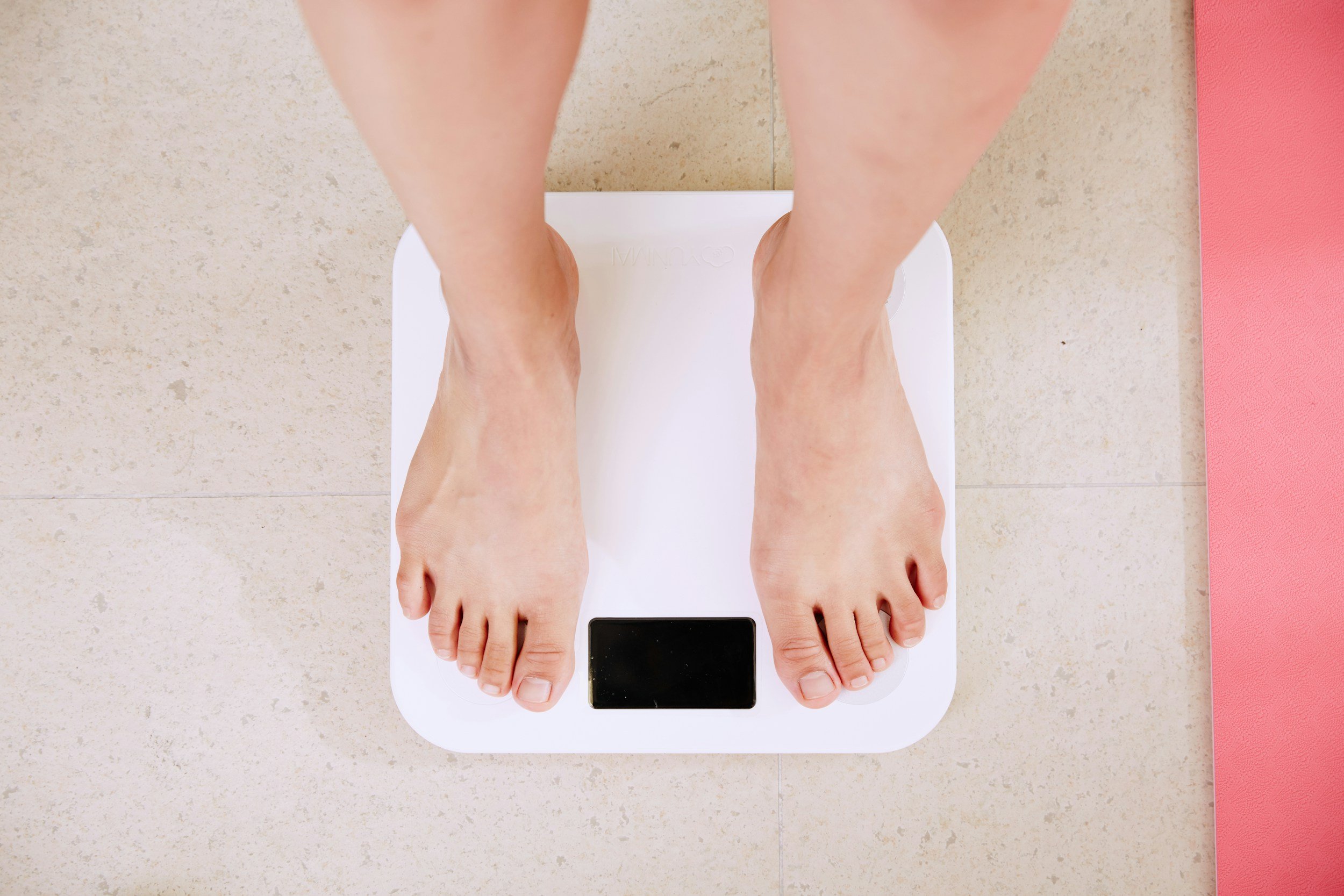
Constantly trying to lose weight
Dieting is incredibly prevalent. Most of us have been on a diet, thought about going on a diet, or had a period where we were trying to change our body. And in the current GLP-1 epidemic, it’s even more front of mind.
But just because constantly trying to lose weight is common doesn't mean you need to spend your life pursuing weight loss.
Do you constantly think about your weight? Plan your next diet? Check your body? Avoid photos? Feel like your life will finally begin when you lose weight?
It might be worth asking yourself what life could look like if changing your body wasn't always the goal.
What would you do with all of that mental space if you weren't constantly thinking about how to make your body smaller?
Feeling uncomfortable in your body
Plenty of people are dissatisfied with their body, in fact it is so ingrained that some people find outwardly liking your body is arrogant. But that doesn't mean that hating your body is something you're destined to experience forever.
You don't have to love every part of your body every day, either. That's not the goal.
There is a middle ground between loving your body and hating it.
You can learn to exist in your body without constantly analysing it. You can appreciate what it allows you to do. You can wear clothes without worrying about whether they make your body look bigger or smaller.
And yes, this might mean buying clothes that actually fit you now rather than keeping the same clothes in your wardrobe waiting for your body to change.
Comparing your body to everyone else's
Comparing your body to other people's is something a lot of people do in some capacity, particularly when we're constantly exposed to other people's bodies online.
You might find yourself wishing you had someone's legs, comparing your stomach to someone else's, or wondering why you don't look like the people you see on social media.
Living in a constant state of comparison can make it very difficult to feel comfortable in your own body.
There will always be someone who is taller, smaller, fitter, leaner, curvier, stronger or simply different to you.
Your body isn't supposed to look like everyone else's. You don't need to win the comparison game.
So, what is normal?
This is where I think we need to be careful.
I'm not suggesting that you're never going to think about food, feel uncomfortable in your body, eat past fullness, compare yourself to someone else, or want to change something about your appearance.
That’s unrealistic. These experiences can happen from time to time.
What I don't want you to do is assume that because something happens frequently, it is something you have to accept as normal.
Constantly thinking about food, feeling guilty after eating, feeling out of control around food, spending your life trying to lose weight, or feeling uncomfortable in your body every day might be common.
But you don't have to settle for it.
Common doesn't mean you have to accept it
Diet culture has done a pretty good job of convincing us that these experiences are just part of being human.
If you've experienced these things for years, you might not even realise there is another way.
You can have food thoughts without food taking over your entire day. You can eat foods you enjoy without guilt. You can eat without needing to earn or compensate for it. You can move your body because it feels good rather than because you need to burn off what you've eaten. You can buy clothes that fit your body now. You can exist in your body without constantly trying to change it.
Perhaps you've just been surrounded by experiences that are common, but not actually the kind of normal we should be aiming for.
Recognising that is the first step towards changing your relationship with food and your body. If you need support in changing your normal, we have a team of specialised dietitians that can help.