
Eating in Secret? It’s the 'Why' That Matters
Eating in Secret? It’s the Why That Matters
I know we’ve all been there.
Hiding in the pantry, eating a quick chocolate before anyone sees. Picking at leftovers while you’re cleaning up. Or eating McDonald’s in the car and making sure the rubbish is gone before you get home.
Eating in secret can look like lots of different things.
And while the action itself isn't necessarily a problem, it's the why that matters.
Are you hiding because you don't want your kids to see and then have to share?
Fair enough.
But are you hiding because you don't want your partner, housemate or parents to see what you're eating because you're worried they'll judge you?
That's something worth exploring.
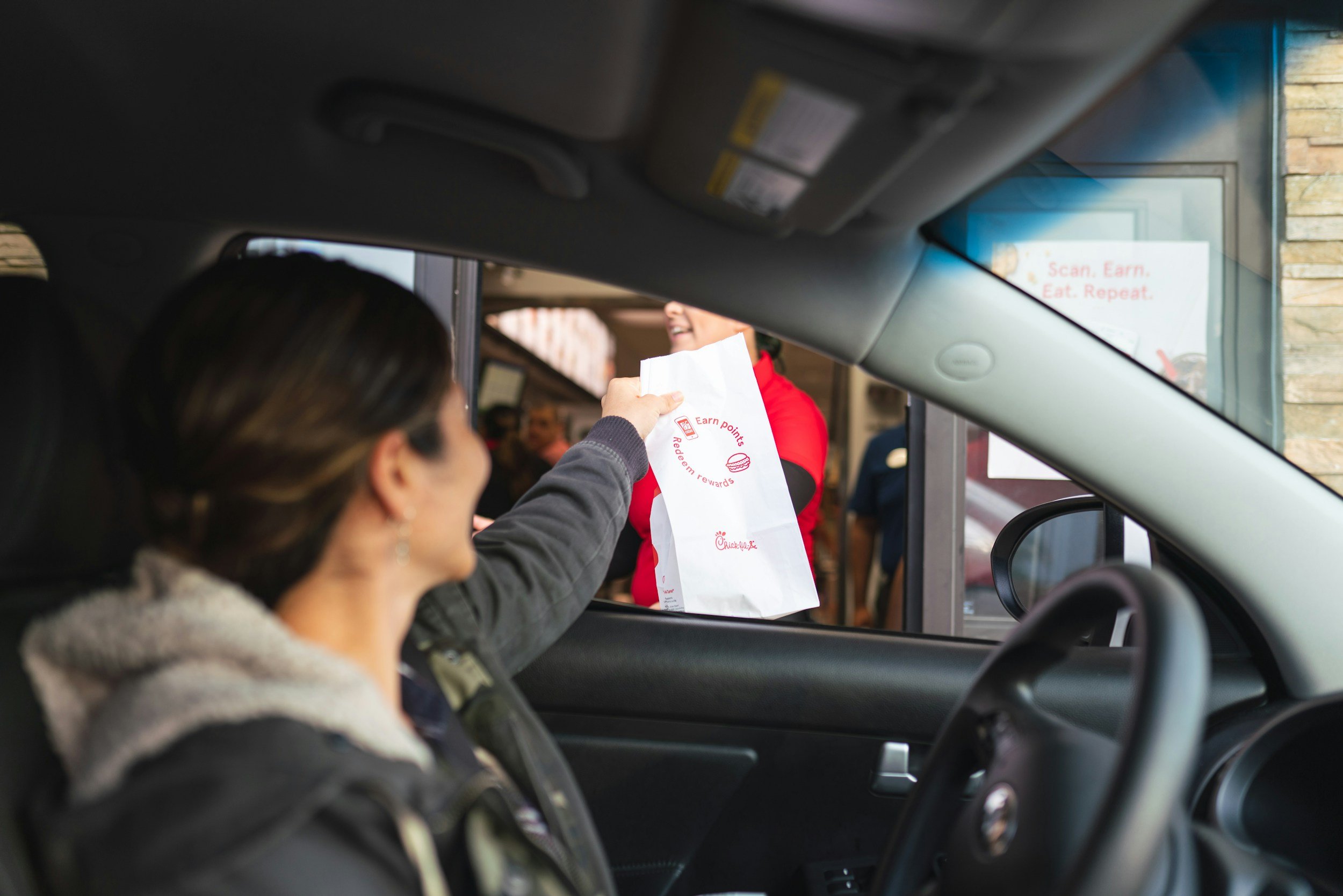
Why do you eat in secret?
Often, secretive eating is linked to food guilt, shame and food rules.
Maybe you've been told certain foods are “bad”. Or you're trying to lose weight. Or you believe eating chocolate, takeaway or dessert means you've been “naughty” or lack willpower.
So you eat the food, feel guilty, and don't want anyone to know.
You might eat it quickly, hide the wrappers, or wait until you're alone. Sound familiar?

Is eating in secret an eating disorder behaviour?
Eating in secret can be a behaviour associated with eating disorders or disordered eating. But eating in secret doesn't mean you have an eating disorder.
Context matters.
Eating chocolate in the pantry because you don't want your toddler to steal it is very different from hiding chocolate because you're ashamed that you're eating it.
The behaviour might look the same. The reason behind it isn't.
Food rules can make it worse
Secretive eating often goes hand in hand with rules like:
“I don't eat chocolate during the week.”
“I shouldn't be eating dessert.”
“I've already eaten too much today.”
“I'll be good tomorrow.”
When foods feel forbidden, they can become harder to eat calmly. You might think about them more, crave them more intensely, and feel like you need to eat them while you have the chance. This can create a cycle:
Restriction → cravings → eating → guilt → hiding → more restriction
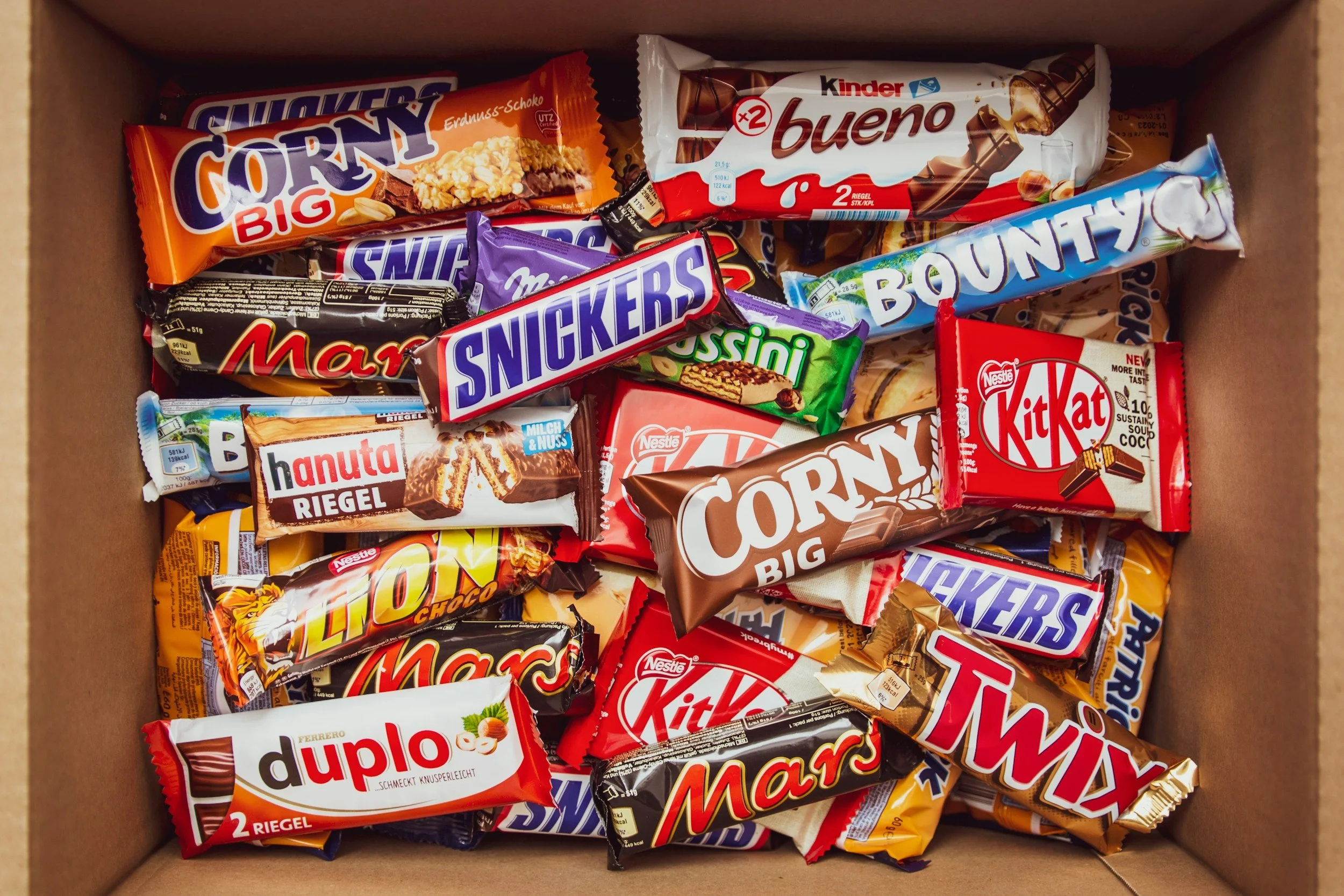
So what can you do?
Start with curiosity rather than judgement.
Instead of:
“Why am I so out of control?”
Try:
“Why do I feel like I need to hide this?”
Are you worried someone will judge you? Or are you worried that you'll judge yourself?
Then look at the rules underneath it.
What foods do you feel you shouldn't eat? What foods do you feel you need to earn or compensate for? And what happens after you eat them? Do you skip your next meal, eat less, exercise, or promise yourself you'll be “better” tomorrow?
This is where we want to break the cycle.
You have permission to eat again. You don't need to compensate. And you don't need to feel ashamed for eating food you enjoy.
To conclude
If you're hiding food because you're ashamed, worried about judgement, or feel out of control around certain foods, it's worth exploring what's underneath it.
Sometimes the problem isn't the food. It's the rules, guilt and shame you've attached to it. And those things can change.
If you experience secret eating and want support, we’re here to help. Reach out today!