
Building Stronger Bones: A Guide Beyond Calcium
Building Stronger Bones: A Guide Beyond Calcium
When people think about bone health, calcium is often the first thing that comes to mind. While calcium is important, healthy bones rely on a combination of adequate nutrition, key vitamins and minerals, hormones, and movement. If you've been told you have low bone density, osteopenia, or osteoporosis, it's important to know that strengthening your bones is possible and starts from a place of self-care.
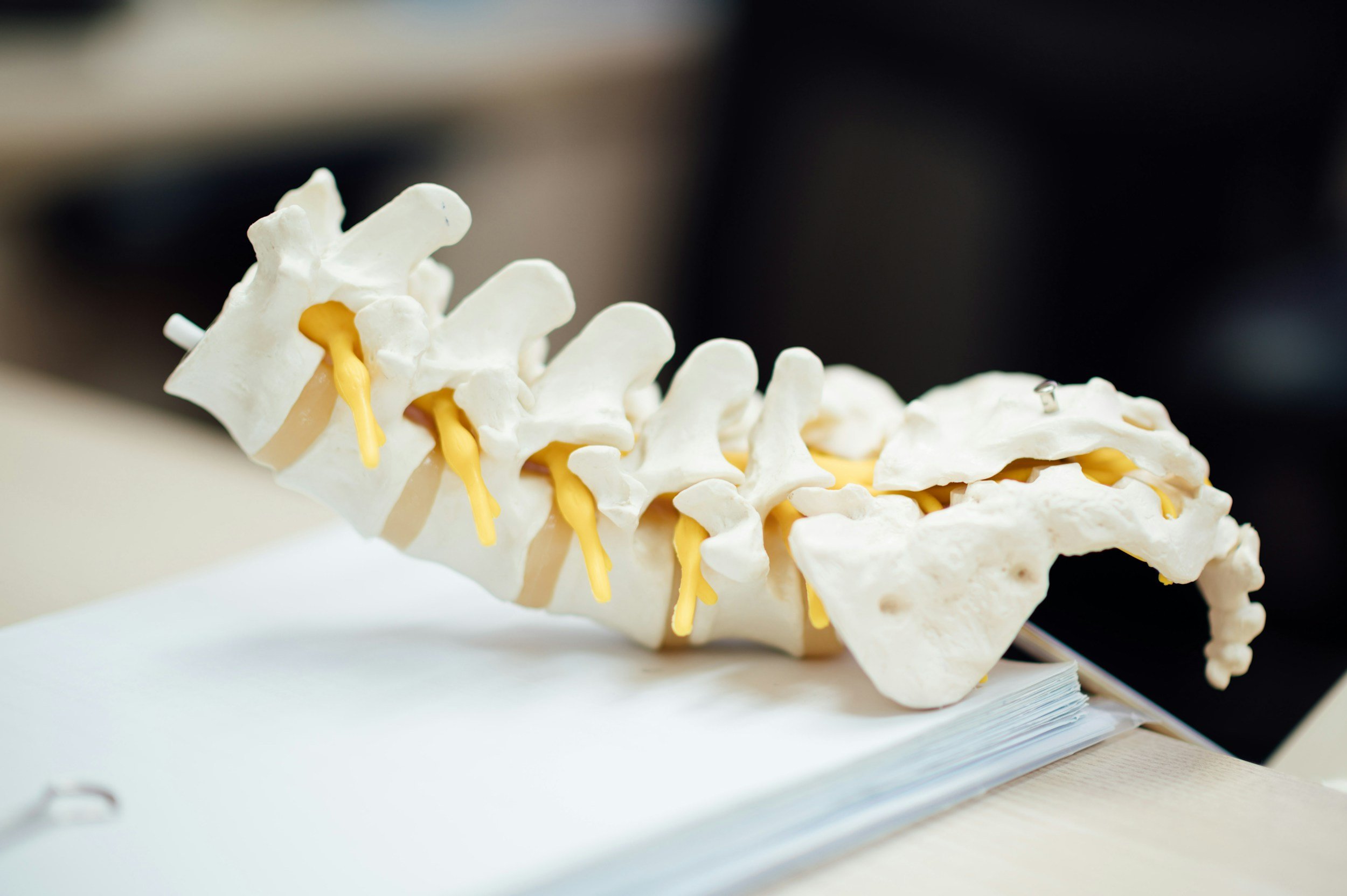
Eat Enough
Bones are living tissue that are constantly being broken down and rebuilt. This process requires energy.
When the body isn't getting enough energy (whether due to dieting, unintentional undereating, an eating disorder, or RED-S) it may reduce investment in bone maintenance. Ensuring you're eating enough to meet your body's needs is one of the most important things you can do for your bone health.
To understand whether you’re eating enough, read our blog on Normal Eating. Your period can be one valuable sign to help identify if you’re eating enough (although it is not the only sign! Many people are undereating and have a normal period). You can read more about menstruation & bone health here.
Focus on Calcium-Rich Foods
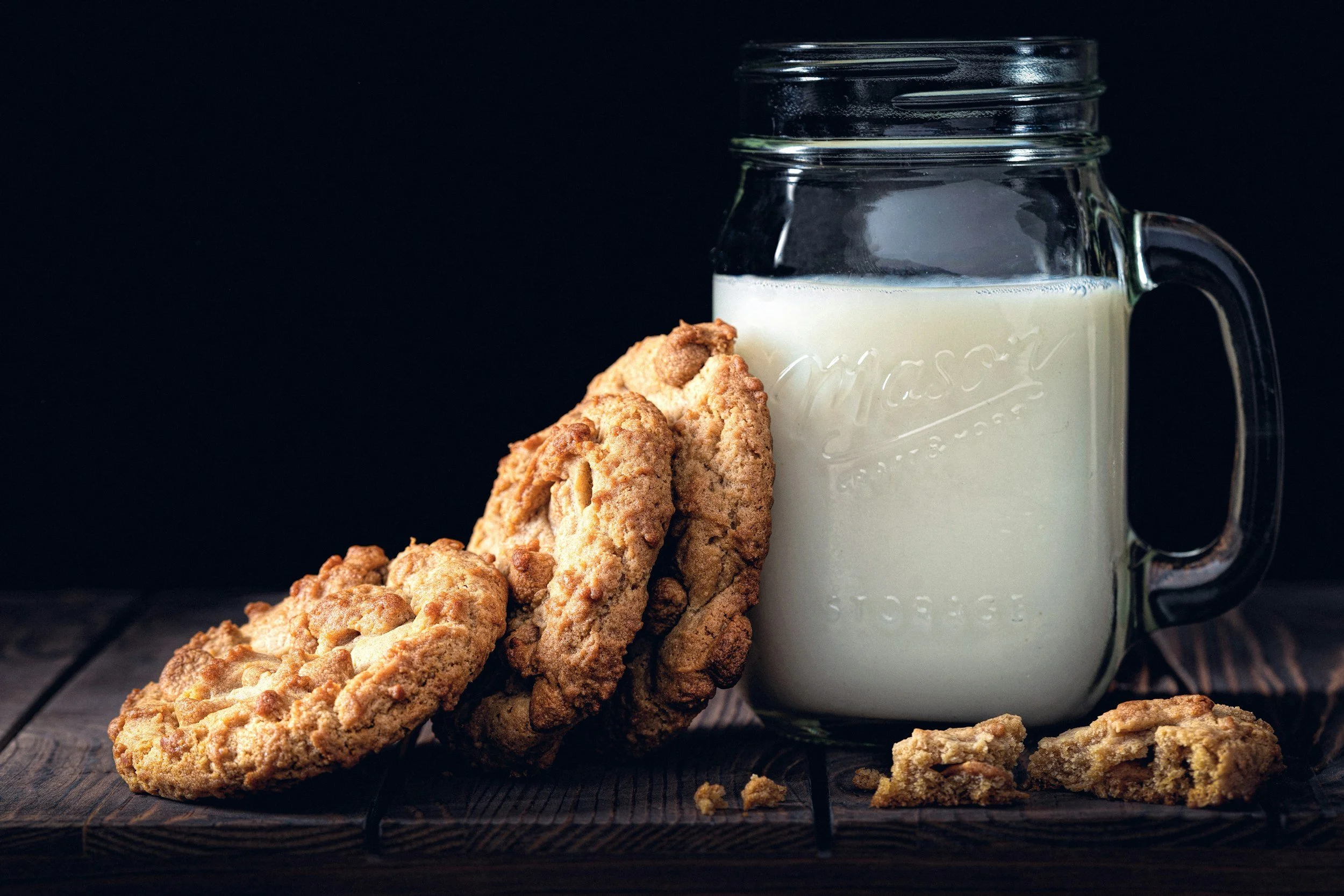
Calcium provides the building blocks for strong bones. Rather than striving for perfection, think about regularly including calcium-rich foods throughout the day.
Good sources of calcium include dairy foods such as cheese, yoghurt, & milk, calcium-fortified plant milks, tofu set in calcium, & canned fish with bones.
Every person needs a different amount of calcium in their diet but a minimum of 3 portions in a day is generally recommended. Speak to your GP or dietitian as to whether a calcium supplement is suitable for you and your circumstances.
Vitamin D
We all know that calcium is necessary for bone strength, but a lot of people don't realise that vitamin D is essential for calcium absorption. They work together!
We get most of our vitamin D through sunlight, but the winter months and covering up our skin to prevent skin cancer (a very good thing!) can reduce our vitamin D exposure. Without sufficient vitamin D, bones can become thin and more fragile over time.
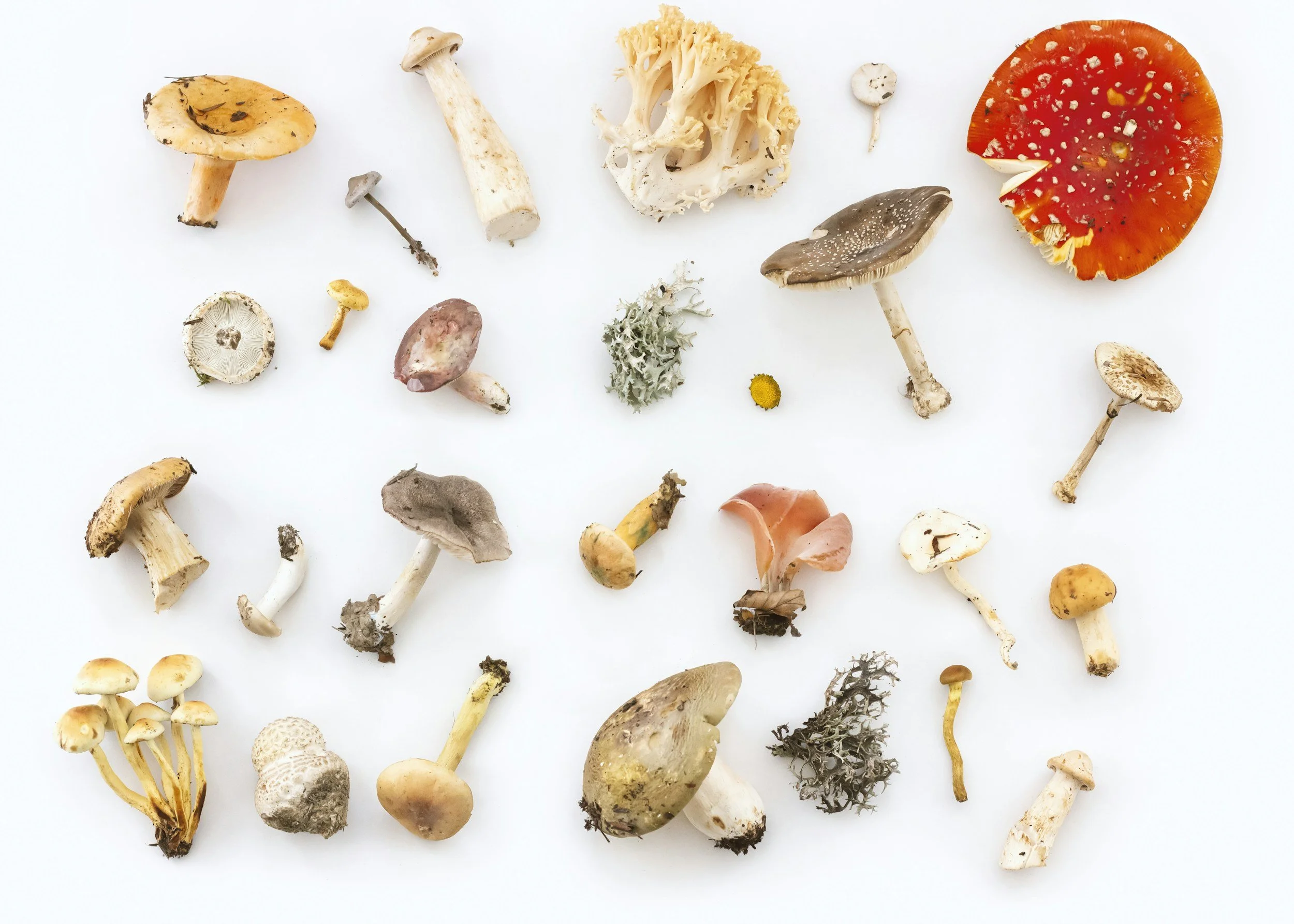
Vitamin D is found naturally in a few foods, such as fatty fish, fish liver oils, beef liver, egg yolks and cheese. In Western diets, fortified foods such as milk and breakfast cereals often provide a significant amount of vitamin D. A fun little hack is if you place your mushrooms in the sun for 15 minutes, they can absorb the vitamin D from the sun which you can then ingest.
Vitamin D is also a fat-soluble vitamin, so including foods such as olive oil, avocado, nuts and nut butters can help support absorption.
Vitamin K
Vitamin K helps activate proteins that allow calcium to be incorporated into bone tissue. It also supports the ongoing process of building and maintaining healthy bones.
Evidence supports getting Vitamin K through food rather than supplementation.
Sources include:
Vitamin K1: kale, Brussels sprouts, spinach, mustard greens, turnip greens and vegetable oils.
Vitamin K2: egg yolks, organ meats and natto (fermented soybeans).
If you take blood-thinning medication, speak with your doctor before making significant changes to your vitamin K intake.

Strength Training (If Appropriate for You)
Bones respond to load. For many people, resistance training and weight-bearing activities can help support bone strength.
However, more exercise is not always better. If you're recovering from an eating disorder, experiencing RED-S, have low energy availability, or have been advised to limit exercise, it's important to work with your healthcare team to determine what's appropriate for you.
Reduce Tobacco Use
Smoking is associated with lower bone density and a higher risk of fractures. If reducing or quitting tobacco feels achievable, it can be a meaningful way to support both your bone health and overall wellbeing.
Speak With Your GP
If you have concerns about your bone health, a history of amenorrhoea, restrictive eating, stress fractures, osteopenia or osteoporosis, don't ignore them. A conversation with your GP can help you better understand your bone health and identify the supports that may be helpful for you.
If you'd like support with nutrition for bone health, we'd love to help. Contact us here.