
Do I Need a Period if I Don't Want Children?
Do I Need a Period if I Don't Want Children?
So it’s been a few months and you haven’t had a period. You’ve been eating less or exercising more and suddenly it’s disappeared. But you’ve found some convenience in this - no money spent on tampons, no forgetting a pad, no ruined underwear, no painful cramps. You don’t want babies, so it doesn’t matter if you have a period. Right?
Wrong. Even if you never want children, losing your period can be a sign that your body isn't getting the energy it needs and may have consequences for your bone health, cardiovascular health, and overall wellbeing.
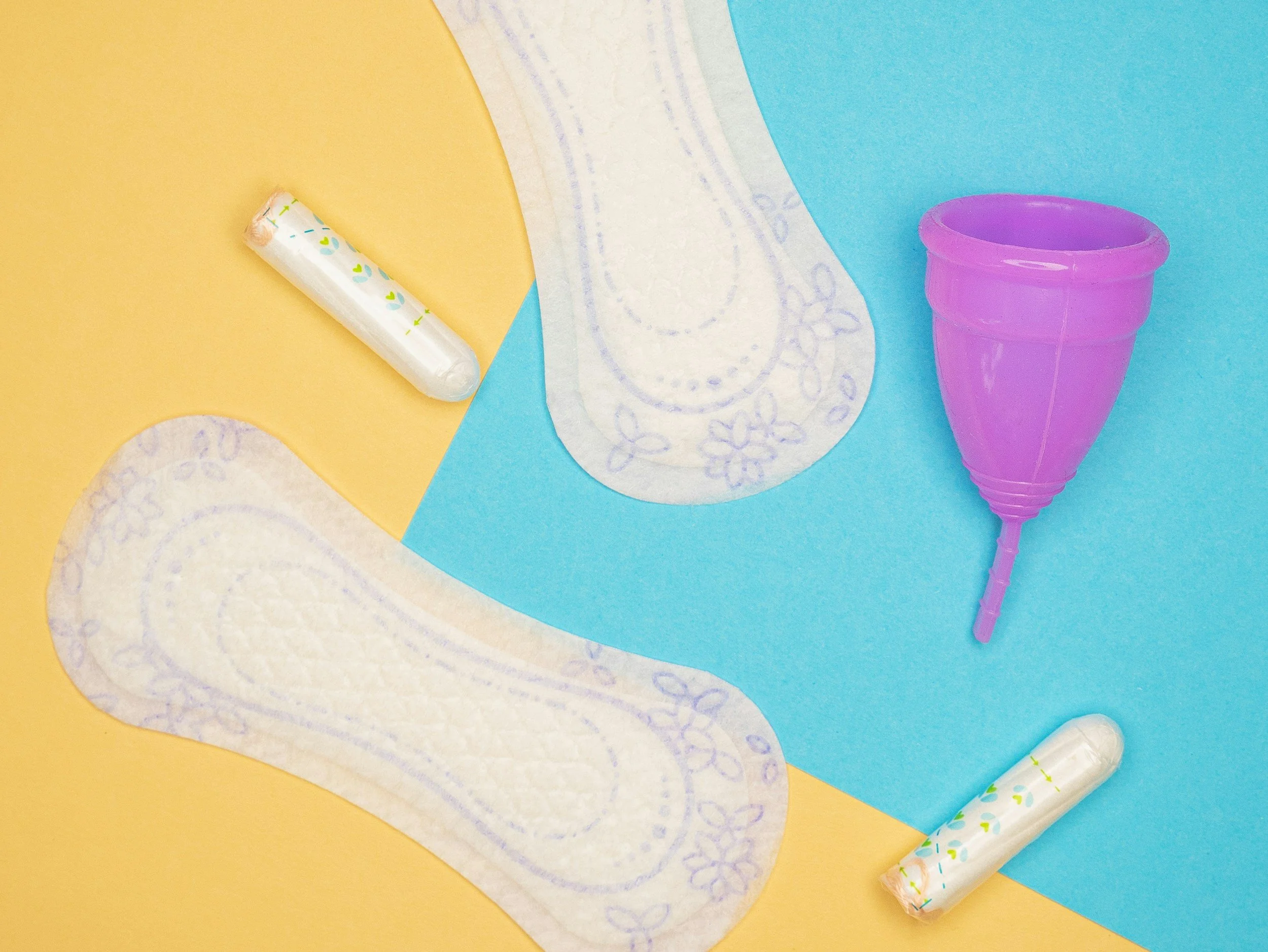
Why Do You Lose Your Period when you eat less or exercise more?
Hypothalamic amenorrhoea (HA) is a condition where your periods stop because the hypothalamus (a part of the brain that helps regulate reproductive hormones) reduces or stops sending signals to the ovaries.
This disruption causes lower levels of hormones such as oestrogen, leading to the absence of menstrual periods.
Hypothalamic amenorrhoea commonly occurs in response to:
Low energy availability (not eating enough to meet your body's needs)
Restrictive dieting or disordered eating
Significant weight loss
Excessive exercise or training
Hypothalamic amenorrhoea is the body's way of conserving energy when it perceives that conditions are not ideal for reproduction, often due to inadequate energy intake, excessive energy expenditure, stress, or a combination of these factors.
Oestrogen does more than regulate your fertility
Because oestrogen is a sex hormone, it’s easy to see why you might think it’s only related to fertility and menstruation.
Oestrogen plays a vital role in bone turnover- so whether or not our bones stay strong. Bone is naturally always breaking down and rebuilding again, this is a normal everyday process.
Having the right levels of oestrogen limits excessive bone breakdown AND supports bone rebuilding. When oestrogen drops, bone density reduces in two ways: bones break down quicker and they rebuild slower.
This is where we can see more porous bones that are calcified as osteopenia in the starting phases, or osteoporosis when it’s more developed.
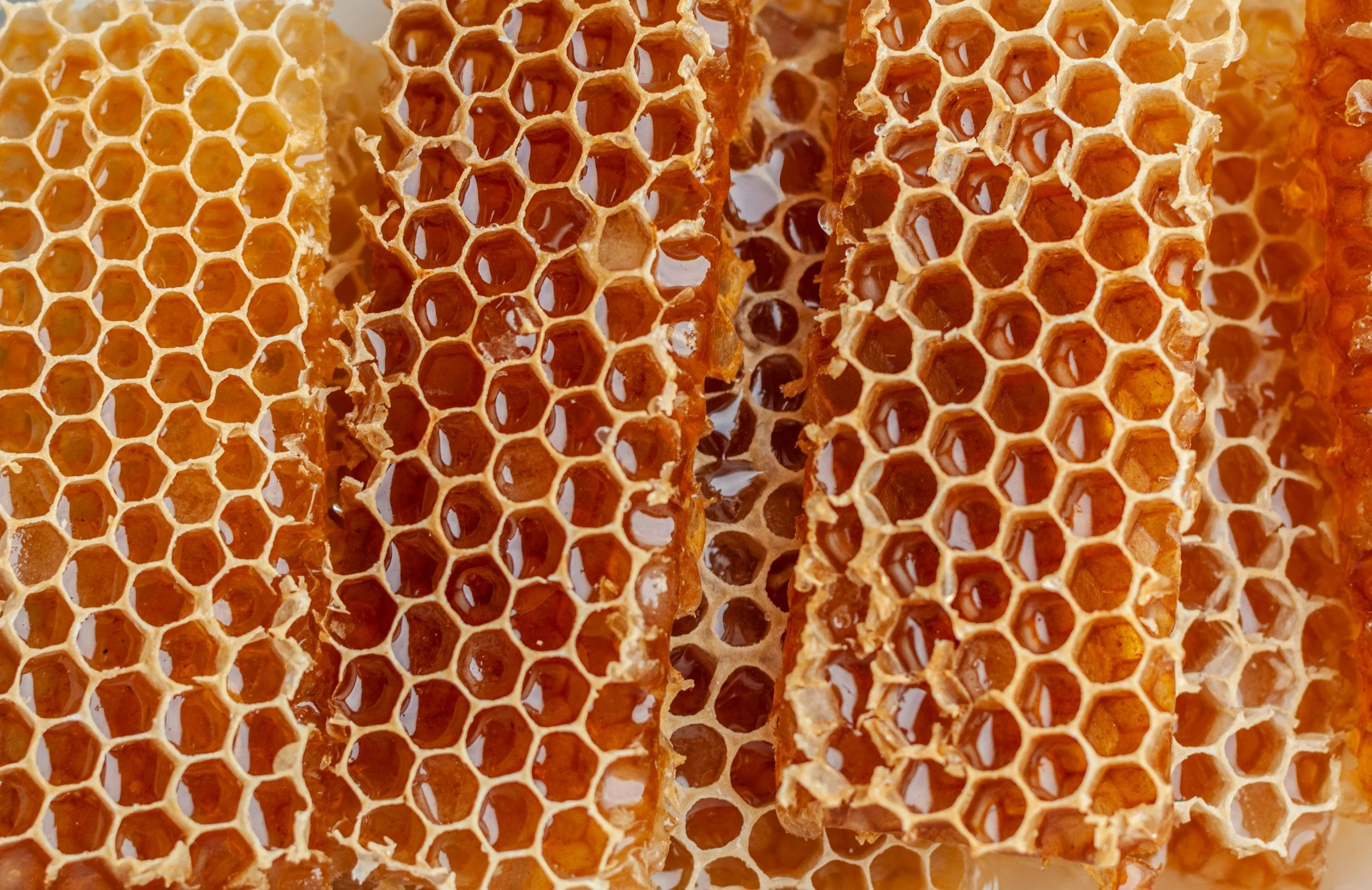
Imagine your bone looking like honeycomb. This porous texture means that your bones are brittle and weak, and therefore more susceptible to breaking.
As people age, osteopenia and osteoporosis puts them at greater risk of breaking a hip in an otherwise low impact fall. Broken bones as a result of falls in the ageing population are a long road to recovery.
So what does this have to do with your period?
If you lose your period related to HA, your oestrogen will drop. This will impact your bone density over time, so a loss of your period is a serious thing.
Sometimes you may not lose your period altogether. Instead, you might notice your period getting lighter, bleeding for less days, or your cycle is getting longer. If you’re a teenager and have not had a period yet, and you’re over 15 years of age, this can also be a red flag for potential HA.
Other impacts of low oestrogen
Lower libido
Vaginal dryness
Mood changes
Poor recovery
Fatigue
Difficulty concentrating
Feeling cold
Sleep disturbances
Increased injury risk
You can rebuild
Osteoporosis & osteopenia are very serious, but with the right support, you can strengthen those bones again. Working on the return of your period will be a key component of restoring bone strength.
What should you do if you've lost your period?
Speak with your GP
Request investigation of your amenorrhoea
Discuss whether a bone density scan is appropriate
Work with a TWC dietitian because we’re experienced in HA, REDs, and eating disorders
Avoid assuming the contraceptive pill will "fix" the problem
Your period isn't just about fertility. It's often a valuable sign that your body has enough energy available to support important functions such as hormone production, bone health, and overall wellbeing. If your period has disappeared, become irregular, or changed significantly, it's worth paying attention to and seeking support early.