
Signs You're Restricting Food (Even If You Don't Think You Are)
Signs You're Restricting Food (Even If You Don't Think You Are)
When people hear the word restriction, they often think of strict diets, skipping meals, or eating tiny portions. But food restriction isn't always that obvious.
In reality, many people don’t realise they’re restricting.
Restriction can be subtle. It can show up through food rules, delaying meals, trying to be "good", or constantly negotiating with yourself around food. While these behaviours may seem harmless, they can have a big impact on your relationship with food.
If you find yourself thinking about food a lot (coined ‘food noise’), feeling out of control around certain foods, or struggling to trust yourself around eating, subtle restriction may be playing a role.
What is food restriction?
Food restriction is anything that limits your access to food, whether physically or mentally.
Sometimes it's obvious: You might be intentionally dieting, counting calories, or avoiding certain foods.
Other times it's less obvious: You might technically be eating enough food, but still have lots of rules around what, when, or how much you're allowed to eat.
Your body and brain don't just respond to a lack of food. They also respond to the perception that food is limited.
1. You regularly ignore or delay hunger
Have you ever thought:
"I'll eat after I finish this task."
"It's too early to eat."
"I have to wait until this time until I can eat lunch."
"I should be able to hold out a bit longer."
Many of us have been taught to ignore hunger in favour of productivity, routines, or food rules.
But consistently delaying food when you're hungry can make it harder to recognise and trust your body's signals over time.
2. You choose what you think you should eat rather than what you actually want
You feel like a sandwich - You order the salad.
You want pasta - You choose the lower-calorie option.
If you're regularly overriding your preferences because a food feels more virtuous, healthier, or safer, there is likely a degree of restriction present.

3. You have rules around certain foods
Food rules can sound like:
"I don't eat carbs after 6pm."
"I can only have dessert on weekends."
"I have to exercise if I eat that."
"I can eat chips, but only a small bowl."
These rules can feel normal because they're so common. But they're still rules. And they keep certain foods feeling special, forbidden, or out of control.
4. You feel guilty after eating
Guilt is often a sign that you've attached a moral value to food choices.
You may find yourself replaying what you ate, wishing you'd chosen differently, or planning ways to "make up for it" later.
Food guilt doesn't necessarily mean you've eaten too much. Sometimes it simply means you've broken one of your own food rules.
5. You try to compensate for eating
This might look like:
Skipping the next meal
Eating less later in the day
Exercising to "burn it off"
Promising yourself you'll be "better tomorrow"
Compensation can feel like balance or control.
But often it's just another form of restriction.
6. Certain foods feel impossible to keep in the house
You might say:
"If it's here, I'll eat it."
"I can't be trusted around chocolate."
"I have no self-control with chips."
Foods can feel intense when they're restricted. When we believe we shouldn't have them, they're more likely to occupy our thoughts and feel difficult to stop eating.
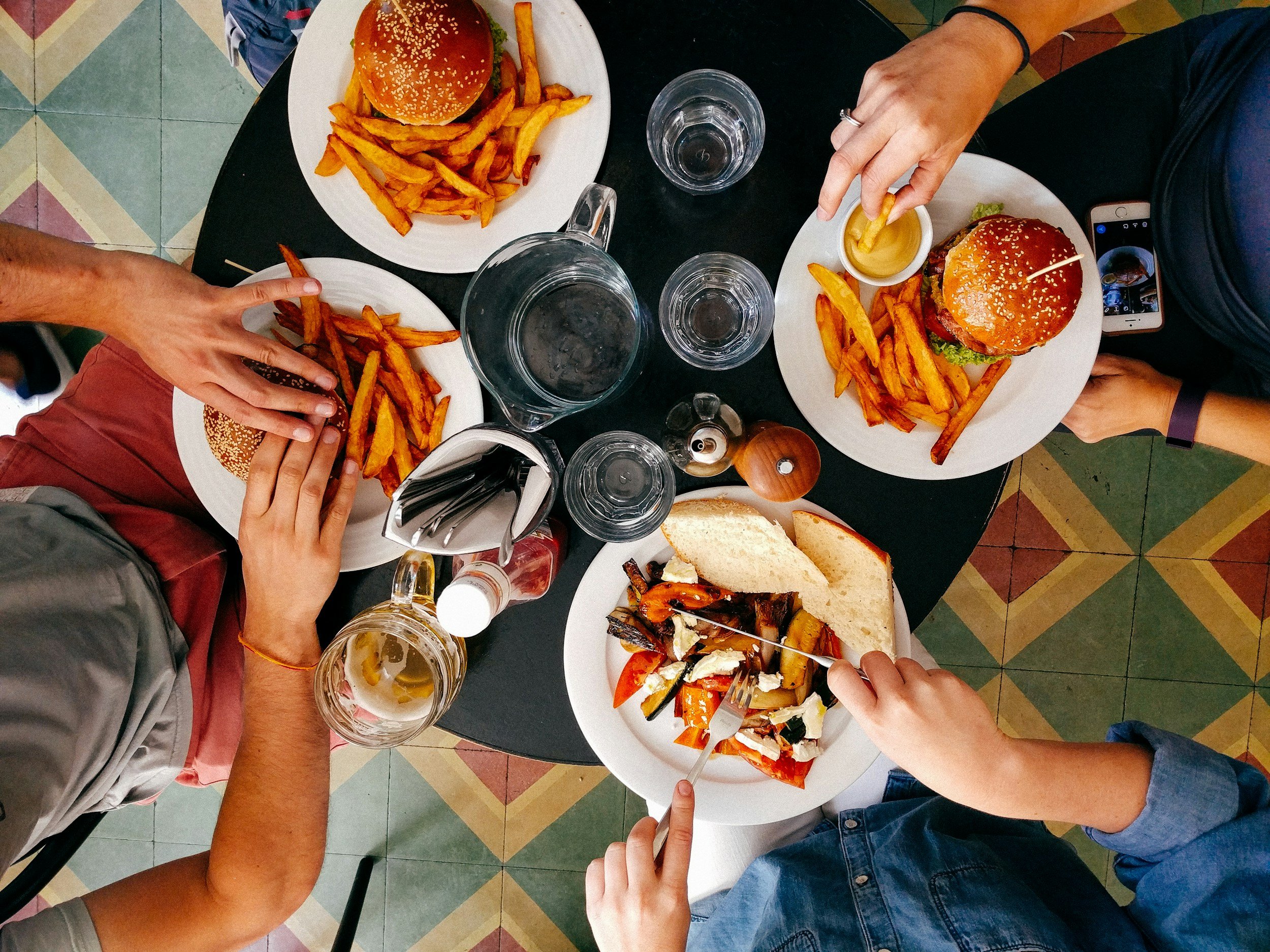
7. You're constantly thinking about food
Thinking about food all day is generally interpreted as a lack of willpower. But food thoughts can be a sign that your body isn't feeling adequately nourished.
You may find yourself:
Obsessing over your next meal
Watching food videos
Reading recipes
Thinking about what you can and can't eat
Looking forward to eating all day
Sometimes this is a sign that your body wants more food, more satisfaction, or more flexibility.
Why does subtle restriction matter?
Restriction doesn't always lead to weight loss. It doesn't always look extreme.
But even subtle restriction can contribute to:
Increased food thoughts
Strong cravings
Feeling out of control around food
Binge eating
Difficulty trusting yourself around food
Guilt and anxiety around eating
Many of the struggles people blame on a lack of willpower are actually common responses to restriction.
Final thoughts
If you recognised yourself in some of these examples, it is okay. Many of these behaviours are incredibly common and are even praised by diet culture.
But common doesn't mean helpful (or normal). Becoming aware of restriction is often the first step toward a more peaceful relationship with food.
The goal isn't to eat perfectly. The goal is to create a way of eating that feels flexible, nourishing, and sustainable.
Because food freedom doesn’t come from more rules. It starts by noticing the ones you already have.