
Why You Can Feel Full but Still Want to Eat
Fullness vs Satisfaction: Why Feeling Full Doesn’t Always Stop You Eating
Many people assume that feeling full should automatically stop eating. But fullness and satisfaction are not the same thing. Understanding the difference between fullness vs satisfaction is a key part of intuitive eating and healing your relationship with food.
What is fullness?
Fullness is the physical sensation in your stomach when you’ve eaten enough food. As it stretches, signals are sent to your brain to indicate you’re getting full.
When you reach this point, you might feel comfortably full or, if you’ve eaten beyond it, overly full or uncomfortable or bloated.
But feeling full doesn’t always mean you will want to stop eating.
What is satisfaction?
Satisfaction is the sense of contentment you feel after eating something that truly meets your wants and needs.
It’s influenced not only by the amount of food in your stomach, but by your taste preferences, cravings, sensory experience, and overall enjoyment of the meal.
Satisfaction involves both the body and the brain.
When a meal is satisfying, you feel mentally and physically “done.” You’re able to move on without continuing to think about food or what some may refer to as ‘food noise.’
The intuitive eating framework, developed by Evelyn Tribole and Elyse Resch, highlights satisfaction as an essential part of feeling truly nourished.
Why fullness without satisfaction can leave you wanting more
You might notice this when you choose a food based on what you feel you should eat, rather than what you actually want.
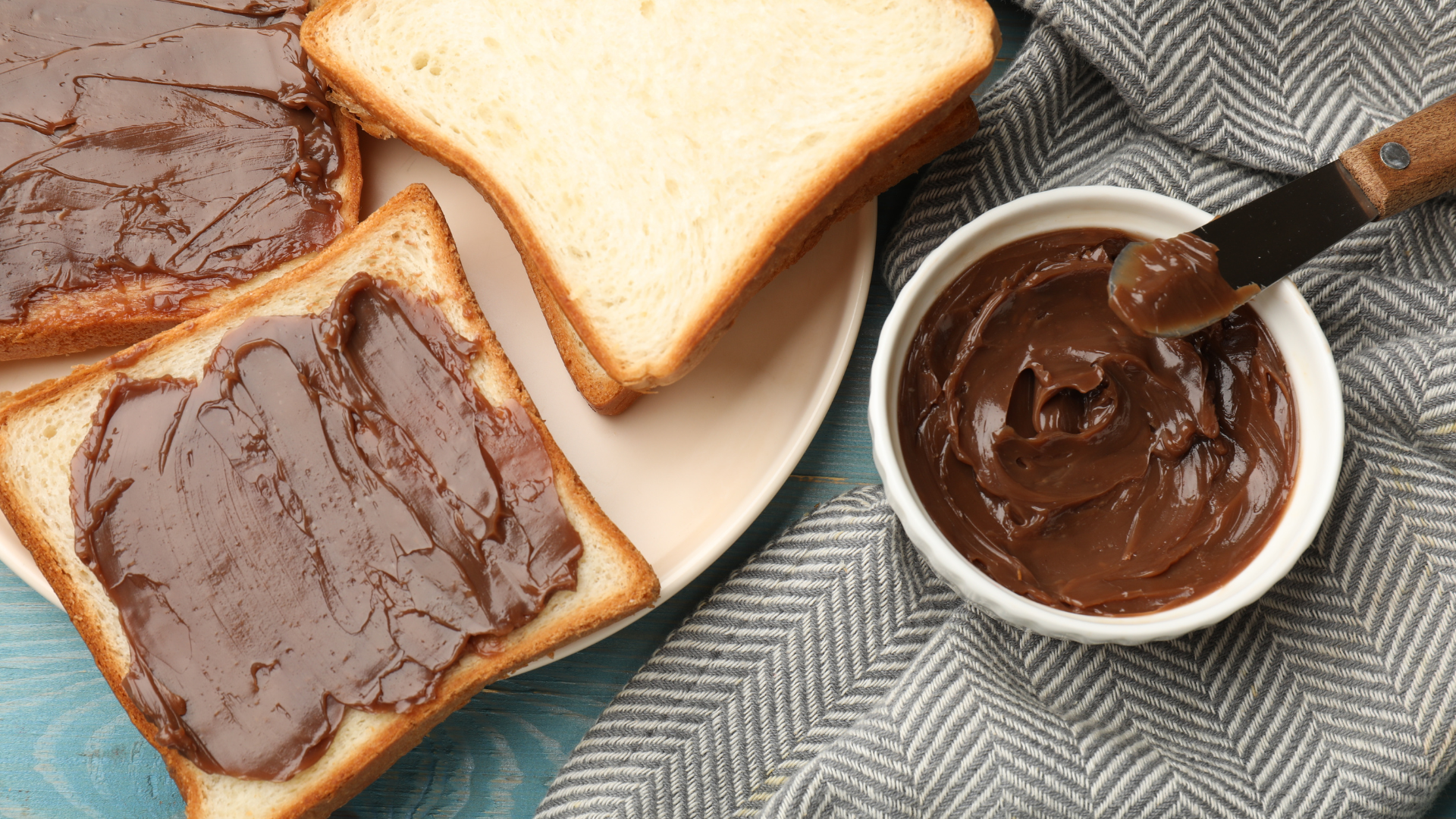
For example, you might really feel like toast with nutella, but instead choose yoghurt because it feels like the “healthier” option. Your stomach may feel full after eating the yoghurt - nutritionally you may have eaten enough - but your mind is still focused on the toast.
This isn’t about willpower. It’s your body recognising that your needs haven’t been fully met.
Often, this leads to continuing to search for food, grazing, or eventually eating the original food you wanted in the first place.

Satisfaction helps regulate eating naturally
When meals are satisfying, eating feels more complete and settled. You’re less likely to continue thinking about food or seeking something else.
Satisfaction can come from many elements, including:
Taste (sweet, savoury, salty)
Texture (crunchy, creamy, soft)
Temperature (hot, cold)
Heaviness (light vs hearty)
Personal preference and cravings
Sometimes, you may not have a strong preference and that’s completely normal.
But when there’s a clear desire for something specific and it isn’t honoured, fullness alone often isn’t enough to create that sense of completion.
If you’re really craving a warm, hearty pasta but choose a cold salad instead, you may feel physically full but likely still thinking of other foods you could eat.
Why Satisfaction Can Help Prevent Overeating
Ironically, choosing the food you actually want often leads to less chance of overeating or bingeing. When satisfaction is consistently ignored, the body and mind remain in a state of seeking, which can lead to overeating later.
When foods feel restricted or “off limits,” they often become more mentally powerful. This is known as the forbidden fruit effect. Allowing yourself to eat satisfying foods regularly reduces their intensity and helps food take up less mental space.
This can be a tricky space to navigate because we so often hear people say “I can’t control myself around x.” But this has likely stemmed from the restriction that has been put in place, rather than a lack of control or addiction.
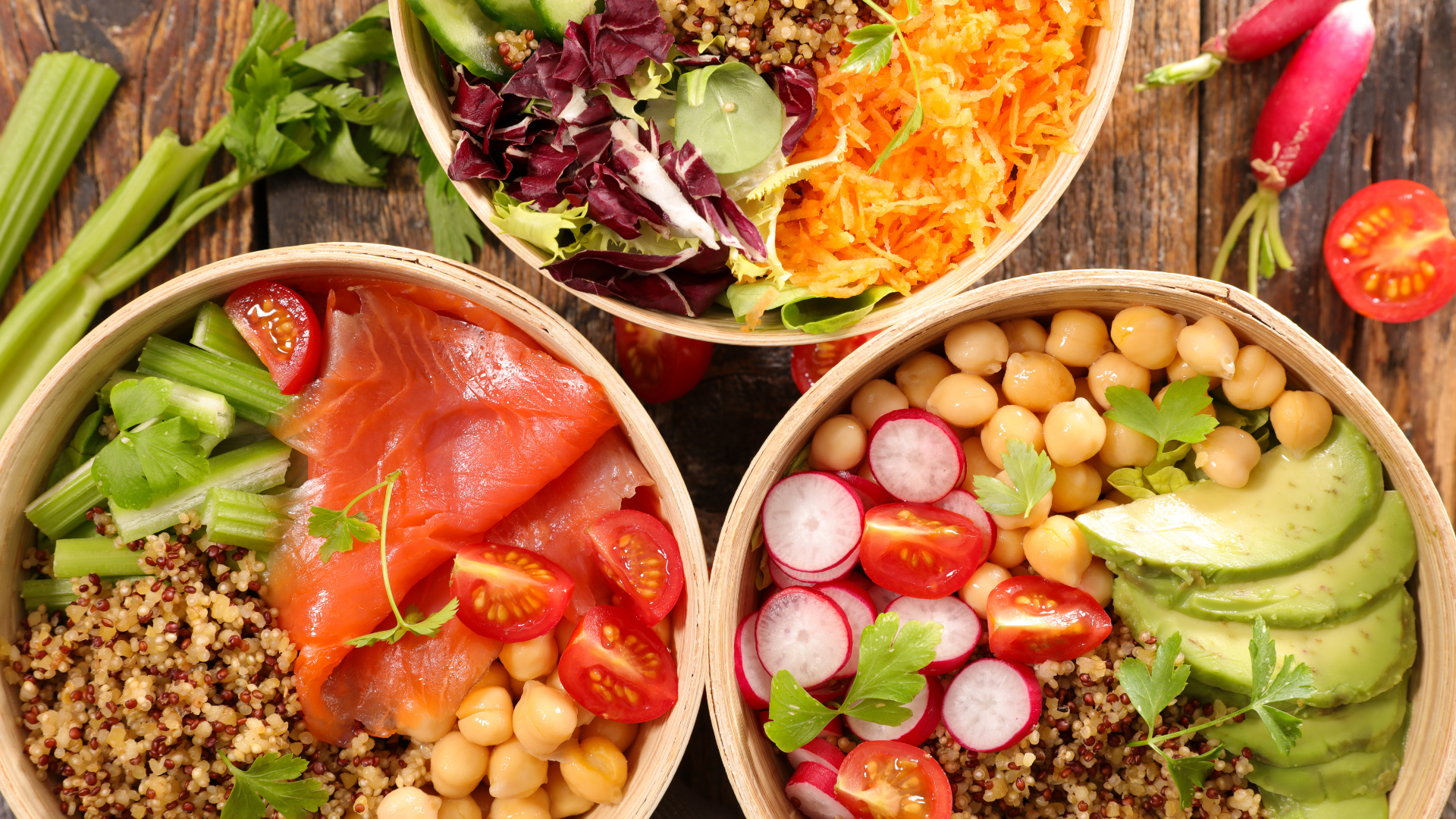
Satisfaction is an important part of feeling at peace with food
Eating is not just a physical process, it’s also sensory and psychological.
When satisfaction is included as part of eating, it helps create a more settled, regulated, and trusting relationship with food (and ourselves).
Rather than relying on strict rules or trying to push aside what you want, allowing satisfaction to guide your choices helps your body naturally find balance.
How to bring satisfaction into your eating
Satisfaction isn’t about eating perfectly or getting it “right” every time. It’s about gradually reconnecting with what you want and trusting them to guide your choices.
You might start by asking yourself simple questions before or during a meal:
What would feel good to eat right now?
Am I wanting something hearty or light?
Do I want something warm or cold?
What flavours or textures sound appealing?
Eat what you want, Add what you need
There are situations where if you only eat what you want or crave in order to meet satisfaction, you may not end up feeling full. If this is the case, you could end up feeling uncomfortably full or unwell.
For example, it’s been 5 hours since you’ve eaten and you’re genuinely quite hungry. All you feel like is chocolate, but realistically you know that if you only ate chocolate to meet your satisfaction, you would need quite a lot to feel full.
In this circumstance we like a method called ‘Eat what you want, add what you need.’ So you might eat a sandwich to feel full but have some chocolate on the side in order to feel satisfied.

Closing Notes
Over time, allowing satisfaction to be part of your eating reduces the urge to keep searching for food after meals. Eating becomes more settled, consistent, and less mentally consuming.
When both fullness and satisfaction are present, eating feels complete. You’re able to move on with your day without being consumed by food.
This is a key part of building a more trusting, calm, and sustainable relationship with food and learning to trust yourself.
Looking for support?
If you’re ready to eat satisfying food and start building a peaceful, nourishing relationship with your body, our team is here for you. A TWC eating disorder dietitian can guide you every step of the way. Book an appointment today with one of our experienced eating disorder dietitians and take the first step toward reclaiming your health and well-being.