
Intuitive Eating for Athletes: What Most Athletes Get Wrong
Intuitive Eating for Athletes: What Most Athletes Get Wrong
Intuitive eating has received a lot of attention over the years and with it, a lot of misunderstanding.
It’s often simplified to ideas like “eat when you’re hungry and stop when you’re full” or “eat whatever you want, whenever you feel like it.” While these phrases may sound appealing, they don’t reflect what intuitive eating actually is. And for athletes, this oversimplification can be unhelpful or even harmful.
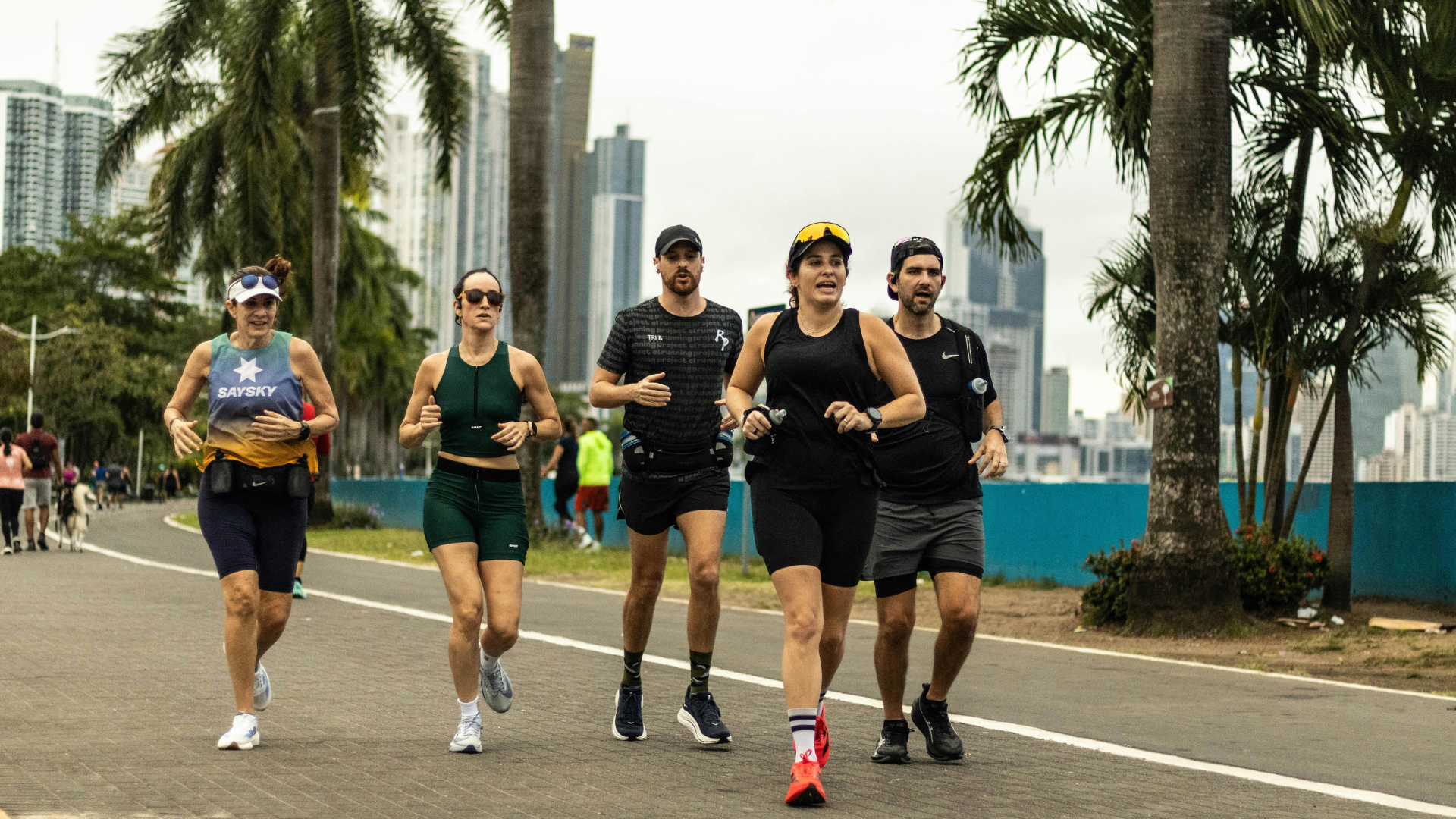
When we refer to athletes, we’re not just talking about people that compete in the Olympics. Ben Crowe, an influential sports psychologist, defines an athlete as anyone who wants to compete, have fun and play. We love this definition because it’s much more inclusive and reminds us that we don’t have to be in the top 0.001% to be considered an athlete.
What Is Intuitive Eating for Athletes?
Intuitive eating for athletes is a non-diet approach that prioritises adequate fueling & recovery, body awareness, and performance needs over weight control. Adequate fueling is one of the most important and modifiable factors influencing performance, recovery, injury risk, and overall athlete health.
Dietitians Evelyn Tribole and Elyse Resch developed a structured, evidence-based framework made up of ten principles for intuitive eating. Several are particularly important for athletes with high training demands, including:
Reject diet culture
Respect your body
Challenge the food police
Honour your health
These principles help athletes move away from rigid food rules and towards fueling in a way that supports performance and recovery.
Why intuitive eating looks different for athletes
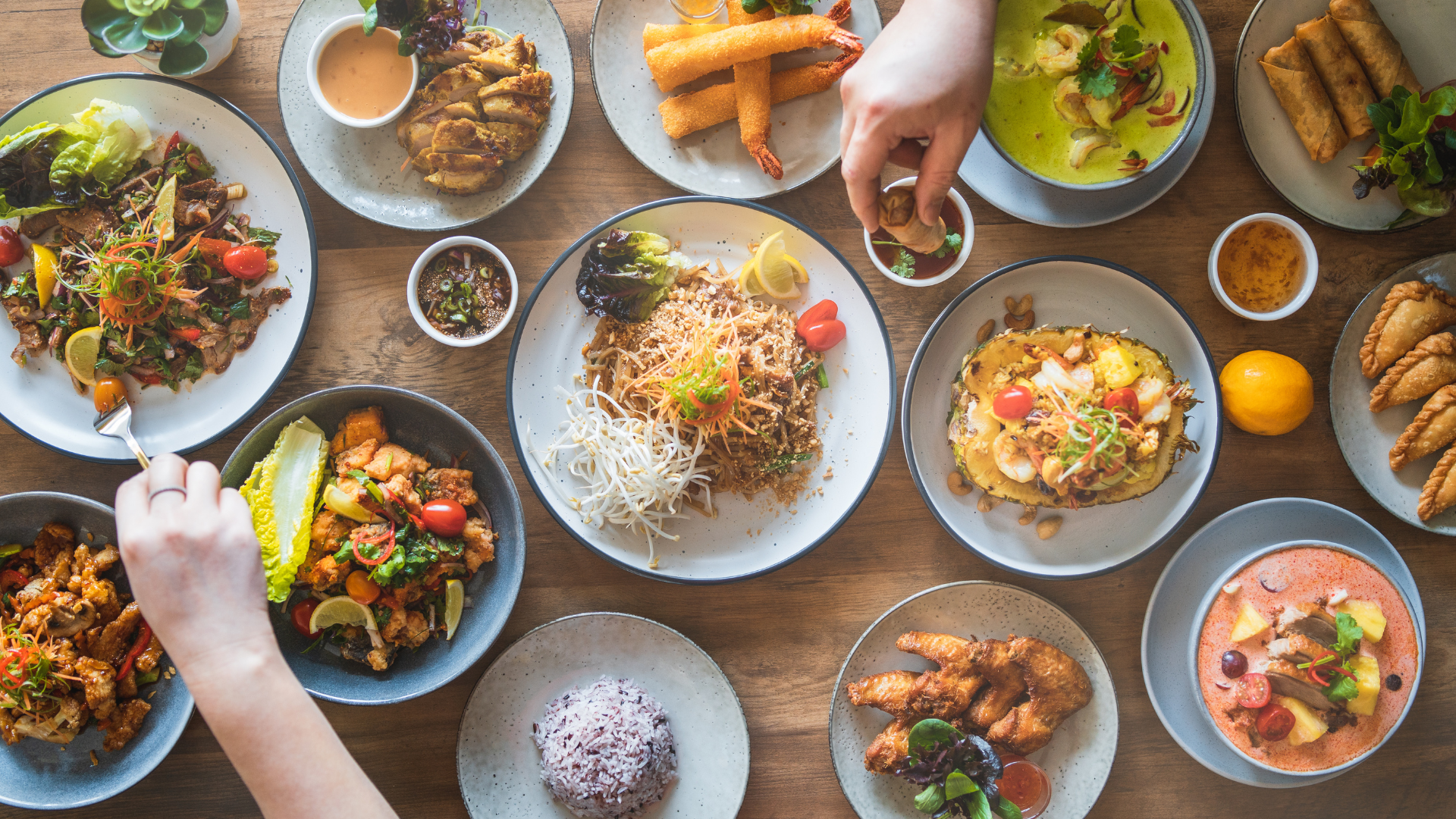
Athletes often face unique physiological challenges that affect appetite and eating patterns. High training loads and intense sessions can temporarily suppress hunger signals. During and after exercise, blood is redirected away from the digestive system to working muscles, which can result in reduced appetite, early fullness, or nausea that lasts for hours post-training.
If intuitive eating were simply about responding to hunger and fullness cues alone, many athletes would consistently under-fuel. Over time, this can lead to reduced performance, impaired recovery, increased injury risk, and low energy availability.
This is where intuitive eating for athletes requires additional structure and nutrition awareness.
Intuitive eating requires nutrition knowledge
Intuitive eating isn’t about ignoring the body’s needs. It’s about learning to interpret them in context.
For athletes, this means understanding what your body requires to train and recover, even when appetite cues are unreliable. Nutrition knowledge provides the foundation that allows athletes to truly honour their health and respect their body, rather than unintentionally neglecting it.
For example, an athlete may finish a hard training session without feeling hungry, yet their muscles still require carbohydrate and protein to recover. In this situation, eating is guided by both body awareness and nutrition knowledge.
This aspect of intuitive eating is often left out of online conversations, yet it’s essential for those with high energy demands.
Rejecting diet culture in sport
Diet culture is deeply embedded in sport. An athlete’s body size, shape, or food choices are often (incorrectly) used as indicators of discipline, professionalism, or performance.
Eating a certain way in public, avoiding particular foods, or pursuing leanness is sometimes praised, despite having no direct relationship with performance outcomes. These are not performance metrics.
Practising intuitive eating as an athlete means actively rejecting these narratives. It may involve challenging internalised beliefs, as well as external commentary or food policing from teammates, coaches, or sporting environments.

Closing Notes
Intuitive eating allows athletes to build trust with their body while ensuring their nutrition supports performance, recovery, and long-term health.
Rather than relying on rigid food rules, athletes can use body awareness alongside nutrition knowledge to fuel in a way that is both effective and sustainable.
If you’d like support in applying intuitive eating to your training and performance, we’re here to help at The Wholebeing Co.