
Just Diagnosed With Gestational Diabetes? Start Here
Just Diagnosed With Gestational Diabetes? Start Here
A diagnosis of gestational diabetes can come with a lot of overwhelm and fear.
It might feel like you have failed your baby (you haven’t), feel worried that not eating healthily enough caused this (it didn’t), and feel anxious about the changes you may need to make.
Before we go through any of the practical advice to manage gestational diabetes, please be reassured that it is unlikely that you brought this on by eating too many beige carbs in the first trimester. Additionally, with appropriate monitoring and management, most people with gestational diabetes have healthy pregnancies and healthy babies.. Gestational diabetes does not directly correlate with how “healthy” you are either – all types of people develop GDM and even our very own Australian Olympic gold medallist Cathy Freeman developed high blood sugar during pregnancy!
It’s probably not the pregnancy experience you were hoping for, but there are ways to manage gestational diabetes without turning your pregnancy into a project of eating perfectly. You’ll learn more about how your individual blood sugar responds to food, movement and other factors, and you’ll have a team around you to help.

What is gestational diabetes?
Put simply, it is high blood sugar specifically during pregnancy.
The hormones produced from the placenta interfere with the function of insulin, which usually transports glucose out of our blood and into the cells. This is called insulin resistance, and means that excess glucose can build up in your blood, which can then cause problems. As your pregnancy progresses and more hormones are produced, insulin resistance generally gets worse.
During pregnancy, the body needs to produce substantially more insulin to keep blood glucose within the normal range. Some bodies just cannot keep up with this demand! This is why developing gestational diabetes isn't a sign that you did something wrong. This is also why you might find that as the weeks go on, your blood sugar can get harder to control. This is a normal pattern.
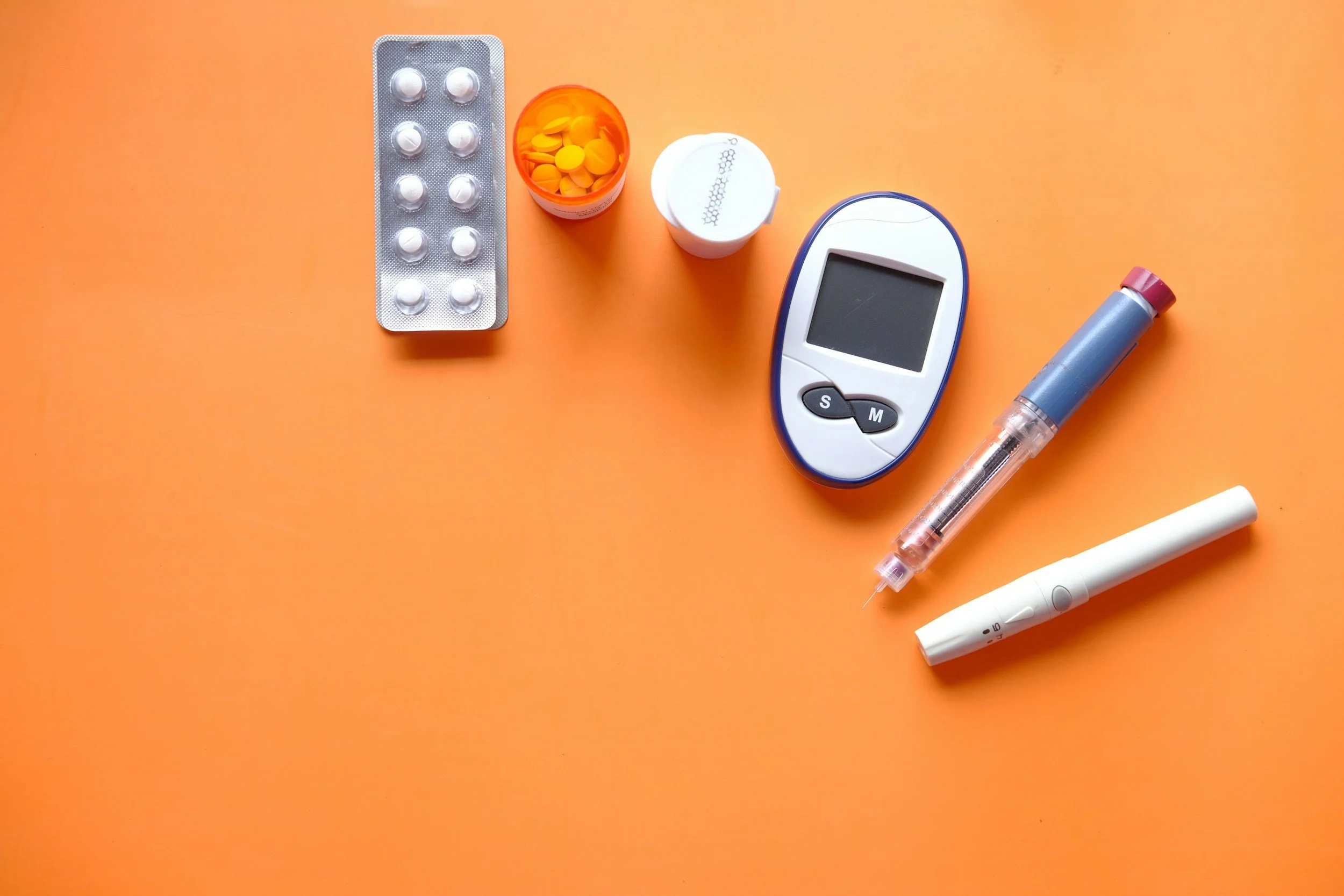
So why did you get GDM?
There are a number of factors that can increase your likelihood of developing gestational diabetes. These include your age (higher risk for those over 30), ethnicity (e.g. First Nations, South Asian, Vietnamese, Chinese, Middle Eastern, Hispanic, South American and Polynesian/Melanesian), conditions like PMOS, and family history of gestational diabetes or type 2 diabetes. These are risk factors, not things you caused. Honestly, some people develop gestational diabetes without having any obvious risk factors at all.
Three goals
Before we jump into the key nutritional considerations, it is very important to acknowledge that managing your blood sugar is not the only goal we have at this time. We like to break it down into these three components:
1. Stable blood sugar
2. Meeting your nutritional needs for a safe and healthy pregnancy
3. Supporting a positive relationship with food and continuing to eat foods that you enjoy, feel satisfying, allow you to participate socially, and are culturally appropriate
This means that the goal isn't to create the “optimal” gestational diabetes diet. We want an approach that keeps your blood glucose in the target range while also giving you enough energy and nutrients for pregnancy and allowing you to eat food that you enjoy and feel comfortable with.
Medication isn’t a failure
Managing your blood sugar should not come at the cost of meeting your needs for a safe pregnancy, nor putting your relationship with food at risk.
This means that if you are finding that your diet is becoming extremely limited, you are isolating yourself, feeling anxious about food, and unable to eat enough to feel satisfied and energised, then you may need the support of a dietitian and/or insulin or medication.
On top of that, sometimes nutrition and movement aren't enough to keep blood glucose within your target range. I promise you that you haven’t done anything wrong here.
Remember what we talked about above: the placenta is producing hormones that increase insulin resistance, and this effect tends to increase as pregnancy progresses. Sometimes your body simply can't produce enough insulin to overcome that resistance.
Insulin and other medications are tools that can help manage blood glucose and reduce the risks associated with gestational diabetes. Needing medication doesn't mean you didn't eat ‘healthy’ enough, and it doesn't mean you've failed your baby.
What happens now?
Your next steps will depend on your individual circumstances, but your care team will generally talk you through blood glucose monitoring, your individual blood glucose targets, nutrition and movement, and whether medication is needed.
You don't need to figure all of this out on day one. Give yourself some time to understand what's happening, ask questions and get support. Here at The Wholebeing Co we have a team of specialised dietitians that can help. Reach out today for support.