
What to Eat With Gestational Diabetes: A Practical Guide
What to Eat With Gestational Diabetes
If you’ve recently been diagnosed with gestational diabetes, you may have been given a long list of foods you should apparently avoid. And maybe you’re freaking out a little bit (understandably!).
It can quickly start to feel like you need to completely overhaul your diet or live on salads and eggs for the rest of your pregnancy.
Well we have good news for you - you don't need to cut out carbohydrates, and you don't need to eat perfectly.
The goal is to find a way of eating that supports your blood glucose levels while still giving you enough energy and nutrients for pregnancy, keeping you satisfied, and allowing you to actually enjoy your food.
If you haven't read our first blog, [Just Diagnosed With Gestational Diabetes? Start Here], that's a good place to start. This blog that you’re currently reading is all about the practical side of eating with gestational diabetes.
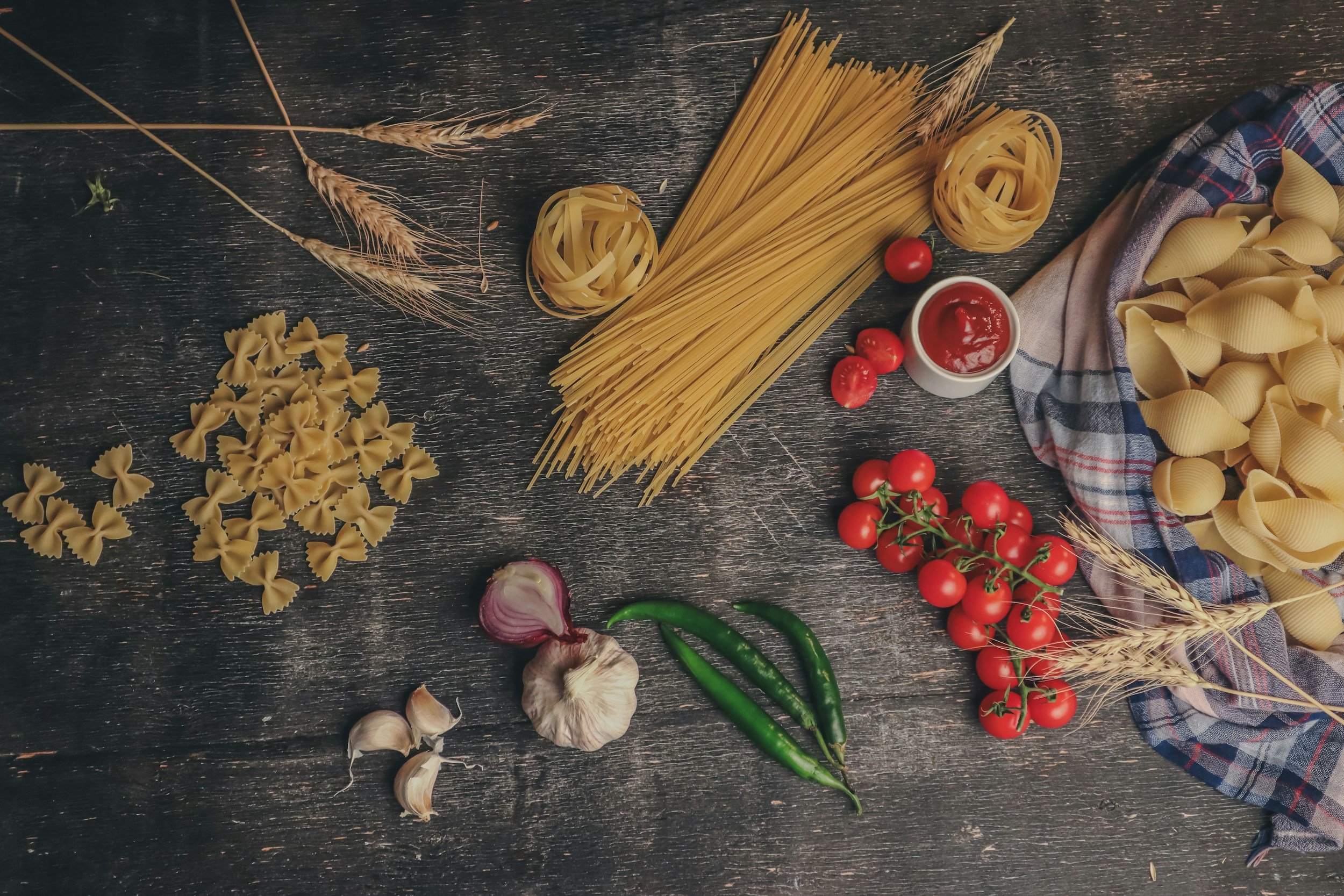
Do I need to cut out carbohydrates?
Simply put - No!
Carbohydrates have the biggest direct impact on blood glucose, which is why they often become the focus when managing gestational diabetes. But this doesn't mean that you need to avoid them.
Carbohydrates are an important source of energy and are found in many nutritious foods, including wholegrains, fruit, dairy and legumes. Cutting them out can make it harder to meet your nutritional and energy needs, reduce your fibre intake and make eating considerably less enjoyable.
Instead of cutting out carbohydrates, we can think about:
the type of carbohydrate you're choosing
the amount you're having
what you're eating alongside it
how you spread carbohydrates throughout the day
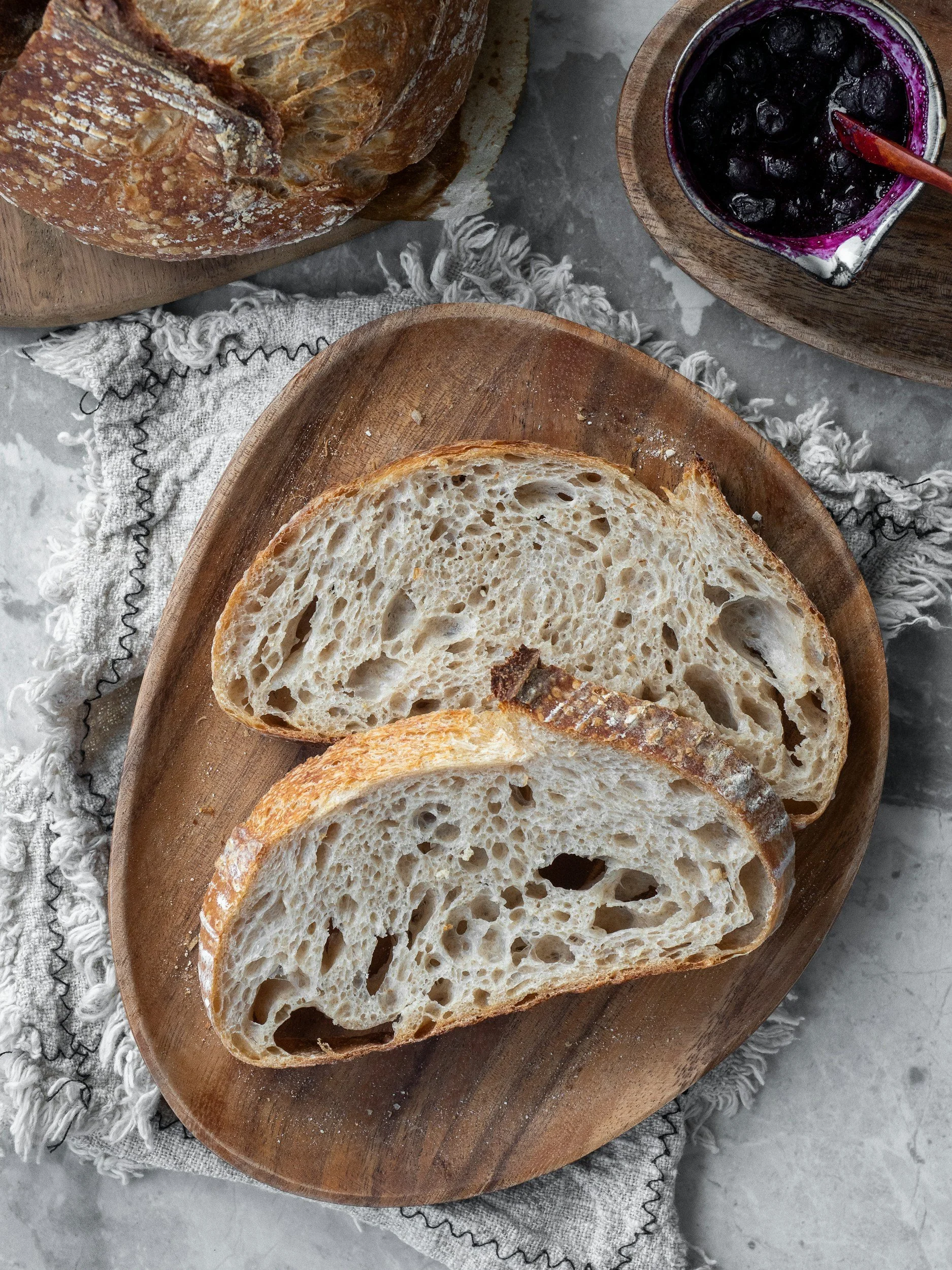
What foods contain carbohydrates?
There are probably more carbohydrate foods in your diet than you realise! (Which, again, is not a bad thing).
Common sources include:
bread and wraps
pasta
rice
oats and other grains
quinoa, freekeh and bulgur
potato and sweet potato
corn
beans, chickpeas and lentils
fruit
milk and yoghurt
These foods are all a part of a balanced diet with gestational diabetes.
What is the glycaemic index?
You may have heard of glycaemic index, or have been told to eat low GI. GI is a way of ranking carbohydrate-containing foods according to how quickly they raise blood glucose compared with other carbohydrate foods.
Lower-GI foods result in a slower, more gradual rise in blood glucose which is a good thing when you have gestational diabetes For example, you might choose:
multigrain or grainy bread instead of white bread
basmati or brown rice instead of short grain rice varieties
rolled oats instead of quick oats
But GI isn't the only thing that matters.
The overall meal, portion size, what you eat alongside the carbohydrate, and your individual blood glucose response can all affect your readings. So you don't need to become obsessed with finding the “lowest GI” version of every food.
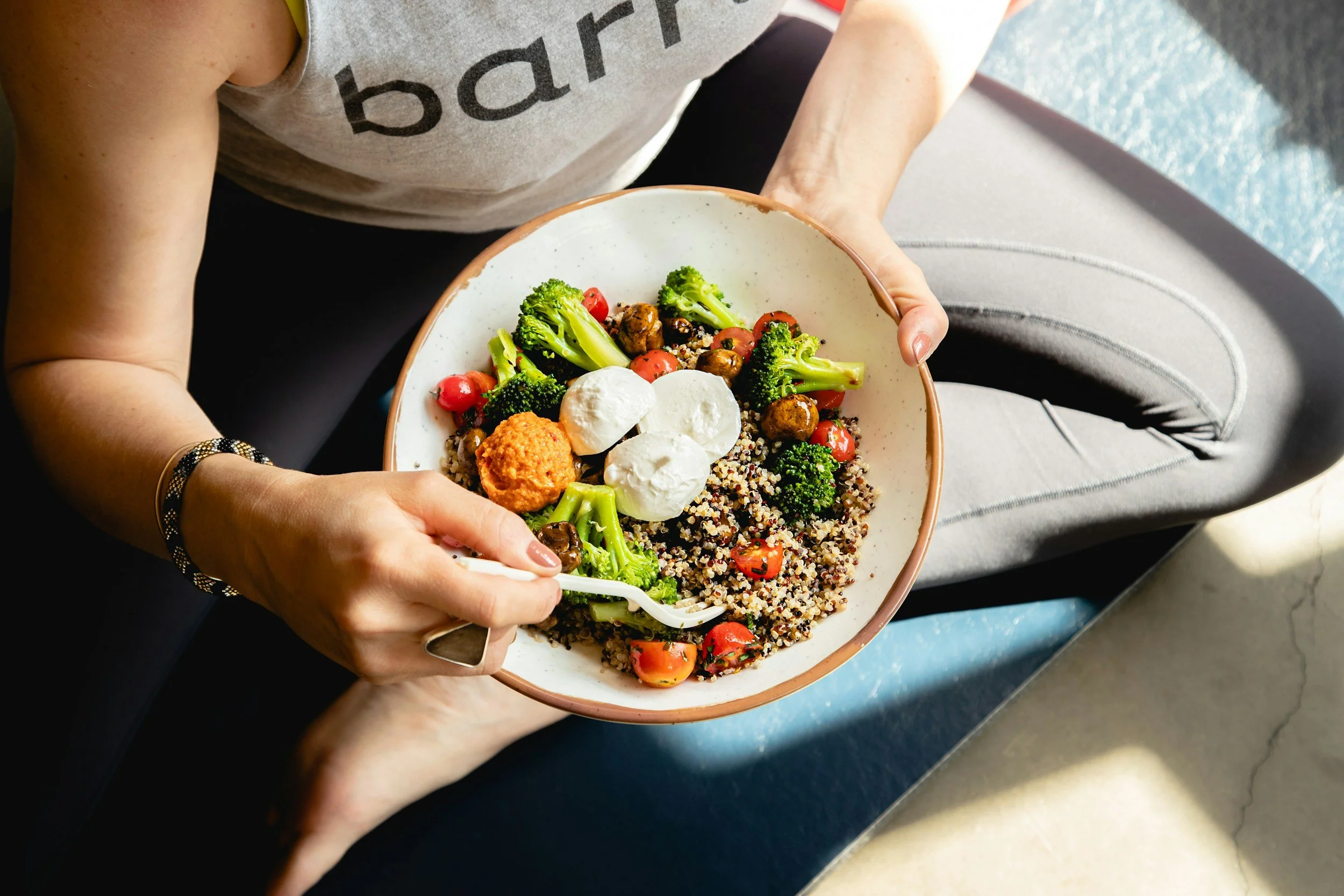
How should I build my meals?
One of the simplest strategies is to pair your carbohydrate foods with protein, healthy fats and fibre. This can help make meals more satisfying and can result in a more gradual rise in blood glucose.
For example:
Instead of:
Toast on its own
Try:
Wholegrain toast + eggs + avocado + tomatoes
Instead of:
Fruit on its own
Try:
Fruit + Greek yoghurt + nuts
Instead of:
A bowl of pasta on its own
Try:
Pasta + chicken or mince + vegetables + a tomato-based sauce + parmesan
Not only will this be better for your blood glucose levels, it’ll probably be more satisfying and keep you fuller for longer.
How much carbohydrate should I eat?
There isn't one perfect carbohydrate amount that works for everyone with gestational diabetes. Your needs will depend on things like your stage of pregnancy, appetite, activity levels, nutritional needs and your individual blood glucose response.
As a general starting point, you may find it helpful to have a moderate portion of carbohydrate at each meal, rather than having a very large amount at once or cutting carbohydrates out completely. A rough guide is around ¼ of your meal being a carbohydrate-rich food, with the rest made up of protein, vegetables and healthy fats.
Your dietitian can help you work out what is appropriate for you, particularly if you're finding that your blood glucose readings aren't responding as expected.
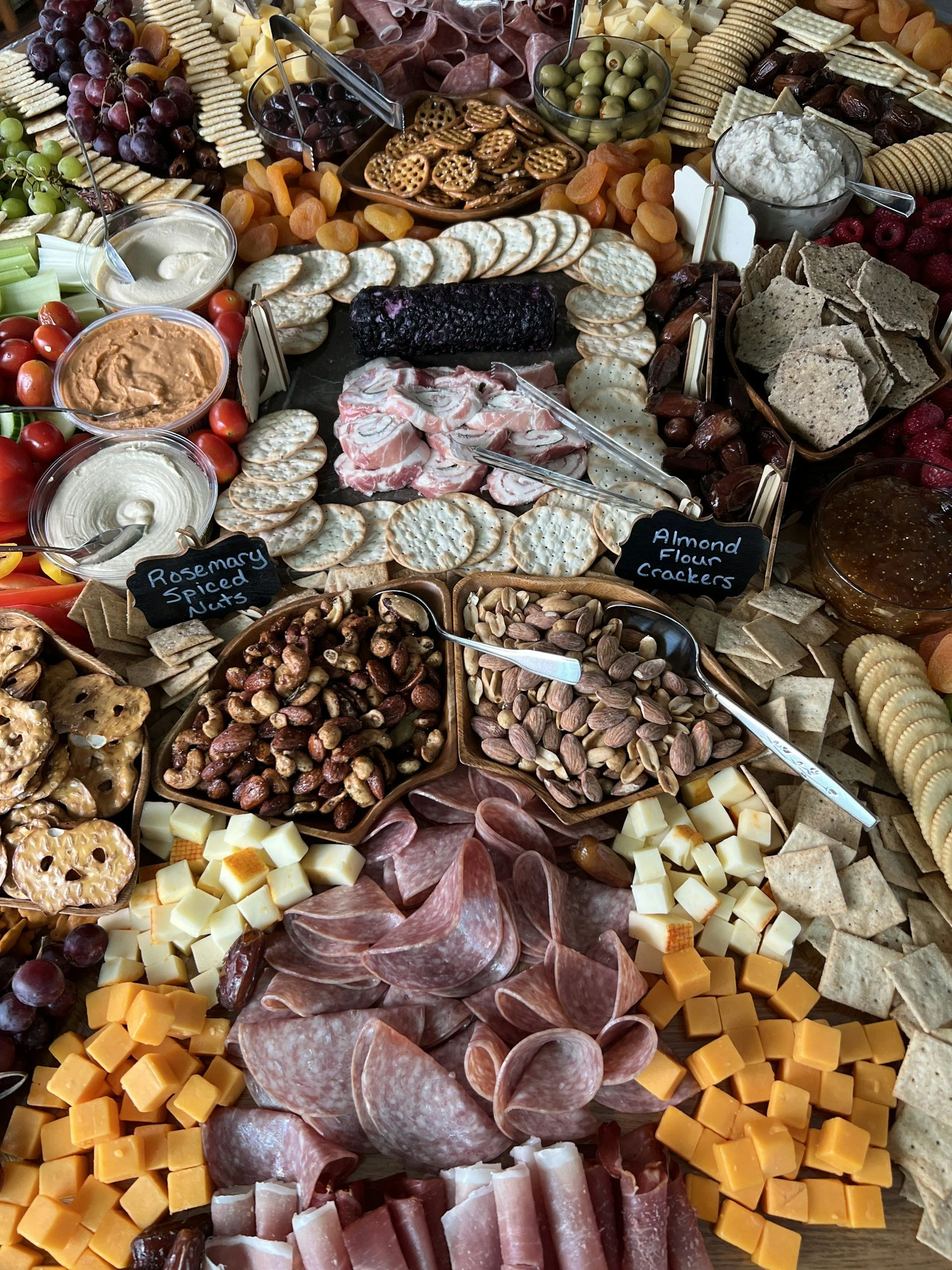
What about snacks?
Regular meals and snacks can be helpful for keeping your energy levels steady throughout pregnancy, particularly if you're dealing with nausea, reflux or feeling full quickly. A snack doesn't need to be complicated.
Some ideas include:
wholegrain crackers + cheese + tomato
Greek yoghurt + berries + nuts
fruit + peanut butter
boiled eggs + vegetable sticks + dip
wholegrain toast + avocado
a small smoothie made with milk, yoghurt and berries
You may notice that some foods or combinations work better for your blood glucose than others. That's useful information and it can look different for everyone.
What might a day of eating look like?
This is incredibly individual and if you are struggling to build a day that suits you and your needs, this probably indicates that you need more support from a specialised dietitian. As a general rule of thumb, we recommend eating 3 balanced meals and at least 3 snacks (between meals and after dinner).
What if my blood glucose is still high?
This is really important:
A high blood glucose reading doesn't mean you've failed.
Your blood glucose can be affected by many things, including sleep, stress, hormones, activity, illness and the natural progression of pregnancy. You might even eat exactly the same meal on two different days and get different readings.
If you're consistently outside your target range despite making changes to your food and lifestyle, talk to your diabetes team. You may need additional support or medication.
You do not need to keep restricting your food until your blood glucose numbers are perfect. The goal is to find an approach that supports your blood glucose and your nutritional needs, wellbeing and enjoyment of food throughout pregnancy.
If you're finding gestational diabetes confusing or overwhelming, a dietitian can help you work out what this looks like for you, without unnecessary restriction. Reach out today to get connected with one of our specialised team members.