
Wondering what to eat with gestational diabetes? Learn how to include carbohydrates, balance meals and snacks, understand GI and support healthy blood sugar levels without unnecessary restriction.
Read More
Wondering if your healthy eating has become too restrictive? Discover 5 signs of rigid eating and how to build a more flexible relationship with food.
Read More
Constant food thoughts, body dissatisfaction and dieting are common—but that doesn’t mean they’re normal or something you have to accept. Learn what’s possible beyond diet culture.
Read More
Eating in secret can be linked to food guilt, shame, restriction and fear of judgement. Learn why secretive eating happens and what you can do about it.
Read More
You don't need to be underweight to have an eating disorder. Learn why eating disorders affect people of all body sizes and when to seek support.
Read More
If you've ever thought, "I know what to do, I just can't do it," you're not alone. Learn why eating disorder recovery feels so hard and practical ways to overcome common barriers.
Read More
Extreme hunger is a normal part of eating disorder recovery. Learn why it happens, how it's different from binge eating, and how to respond.
Read More
Learn why bloating, constipation and stomach discomfort are so common in eating disorders, and how regular eating helps your digestive system recover.
Read More
Supporting your bones is about more than just calcium. Learn how adequate nutrition, vitamin D, vitamin K, movement and eating enough all contribute to stronger bones and long-term bone health.
Read More
Lost your period after eating less or exercising more? Learn why hypothalamic amenorrhoea (HA) affects more than fertility, including bone health, hormone function, and long-term wellbeing.
Read More
Food restriction isn't always obvious. Learn the common signs of subtle food restriction, how it affects your relationship with food, and why food rules may be keeping you stuck in a cycle of cravings, guilt, and food obsession.
Read More
Struggling to trust yourself around food? Learn what breaks trust, signs your relationship with food is improving, and practical ways to move toward food freedom and intuitive eating.
Read More
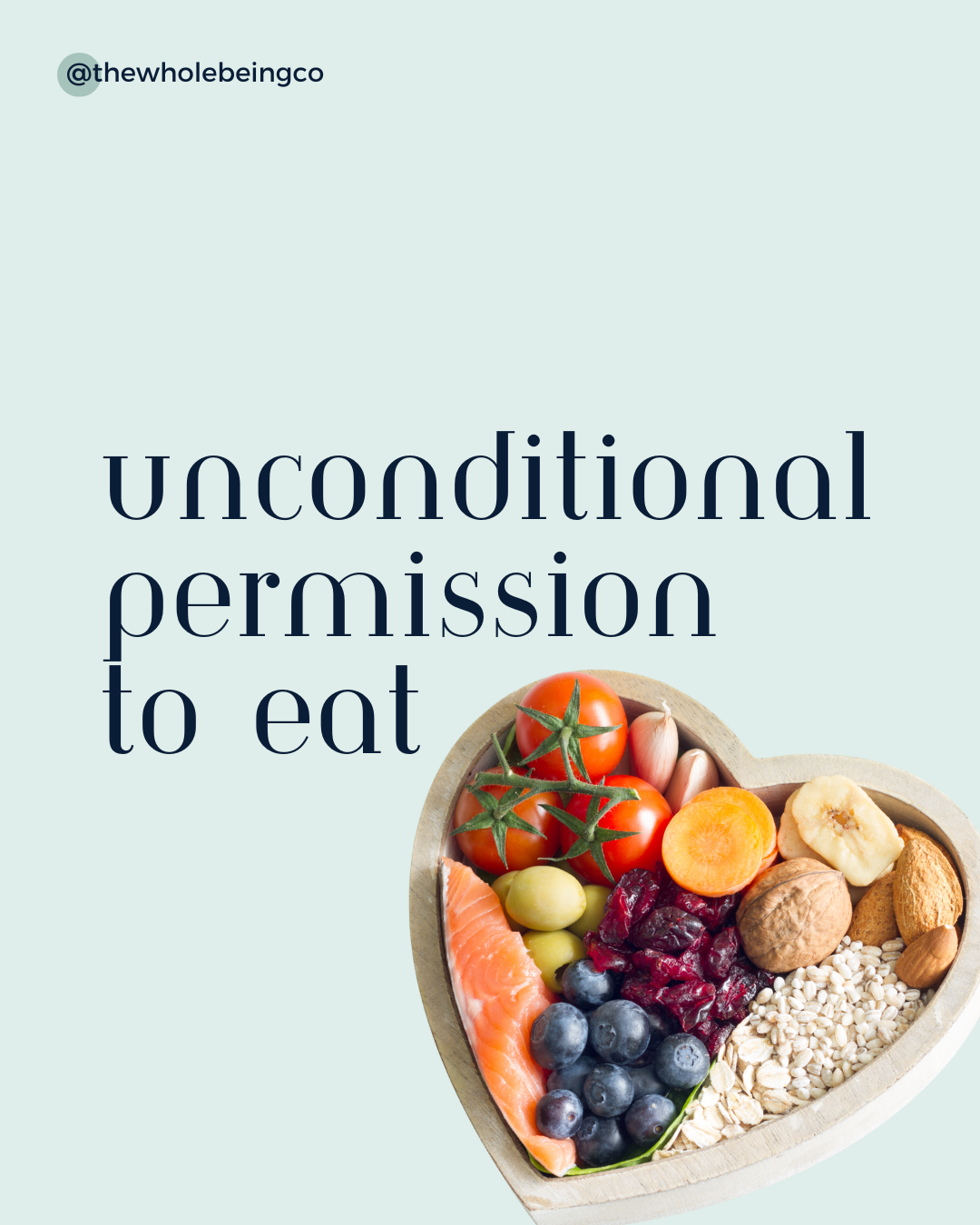
Unconditional permission to eat is a key step in improving your relationship with food. Learn how hidden food rules keep you stuck in cycles of guilt and restriction—and how to start letting them go.
Read More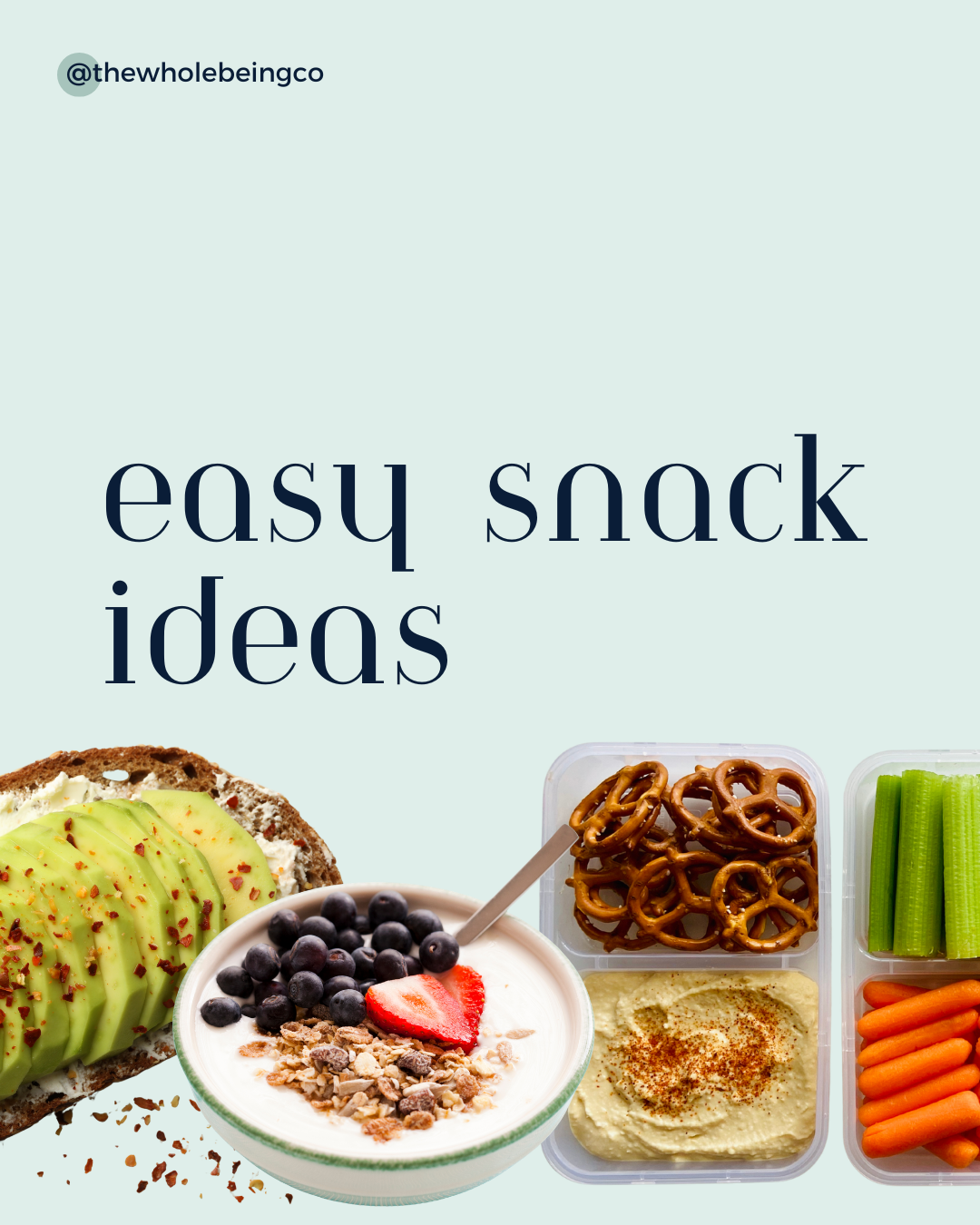
Struggling to eat when nothing sounds good? Here are simple, low-effort snack ideas to help you eat regularly without overthinking it.
Read More
If you’re always thinking about food, you’re not alone. Learn why it happens and what actually helps reduce food thoughts in a simple, practical way.
Read More